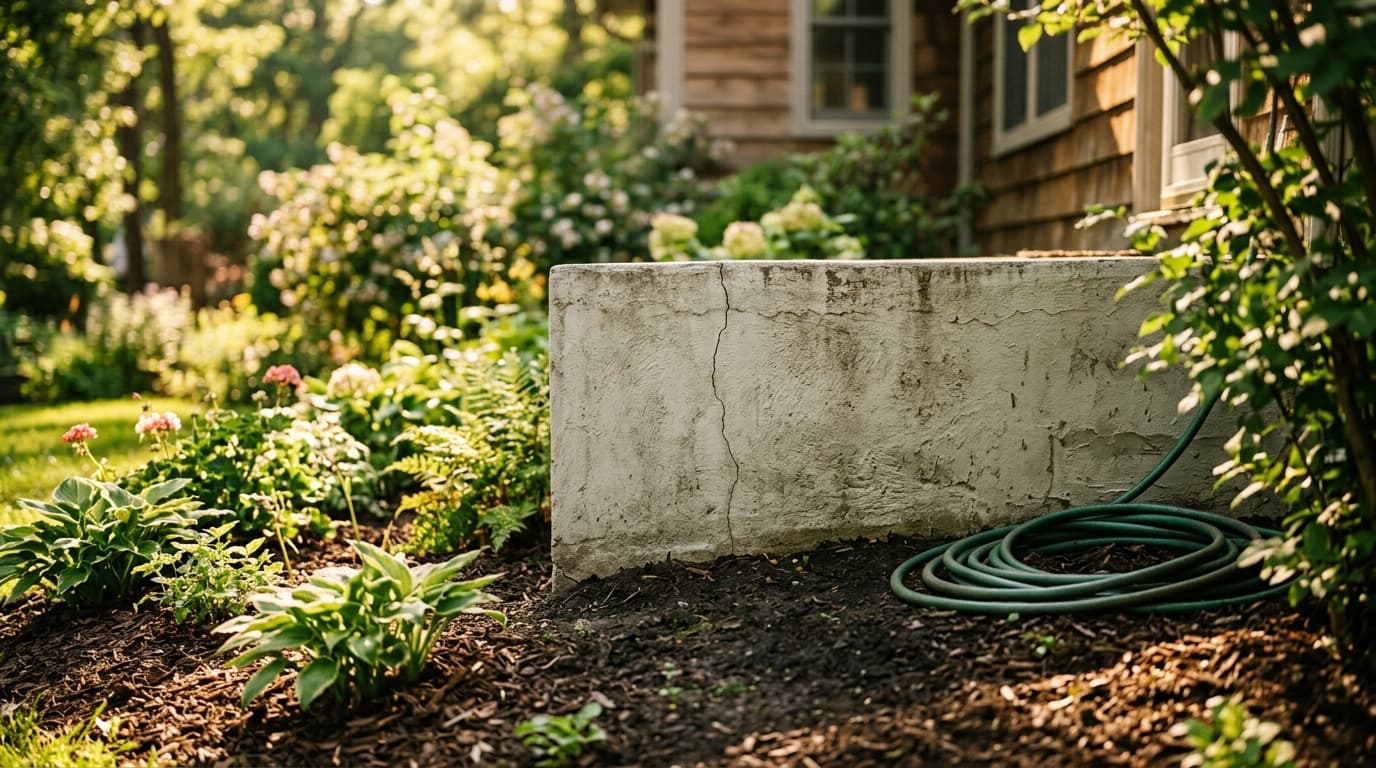
Austin Texas Home Inspection Foundation Problems: Clay Soil Repair Costs Checklist for Buyers
In Austin, foundation problems tied to expansive clay soil typically show up as diagonal cracks near windows/doors, uneven floors, or sticking doors—and repair costs generally range from about $5,000 for minor pier work to $30,000+ for full perimeter underpinning, so a specialized foundation inspection during your option period is essential before you close.
Central Texas sits on some of the most reactive clay soil in the country. It swells when wet and shrinks when dry, and that constant movement is exactly why "the house looked fine" isn't the same as "the house is fine." Think of your foundation like the roots of a tree planted in soil that keeps shifting underfoot—the roots need consistent moisture and stable ground to hold steady, not a wild swing between drought and downpour.
Why Austin Foundations Are Different
Standard home inspections often skim the foundation section because most inspectors aren't structural engineers. In Austin, that's a real gap. The clay-heavy soil across much of the metro (and its surrounding counties) expands and contracts with rainfall, which stresses slab foundations in ways buyers in other states rarely encounter. A general inspector may note "monitor" and move on—but "monitor" isn't a plan, it's a shrug.
Your 7-Point Foundation Checklist
- Ask for a separate structural engineer report. A licensed engineer (not just the general inspector) should evaluate any cracks wider than a nickel's edge or doors that don't close properly.
- Check drainage and grading first. Water pooling near the foundation is often the root cause of movement—literally. Downspouts, gutters, and yard slope matter as much as the slab itself.
- Look at the age and history of any prior repairs. Piers or slab jacking done 10+ years ago may need reassessment, especially if there's no transferable warranty.
- Get HVAC sized to the actual house, not the seller's comfort. Oversized units cool the air fast but don't dehumidify properly, and Austin's humidity swings can quietly stress framing and slabs over time.
- Review roof age against Central Texas hail history. Hail-prone corridors run through parts of the metro, and a roof near end-of-life adds another negotiating chip during option period.
- Ask about irrigation and tree placement. Large trees close to the foundation pull moisture unevenly from the clay soil—a classic cause of differential settlement.
- Request repair estimates in writing, not just verbal reassurance. If foundation work is recommended, get at least one contractor bid before your option period closes so you're negotiating with real numbers, not guesses.
Reading the Repair Cost Range
Minor cosmetic cracking with stable readings might mean a few thousand dollars in monitoring or minor pier adjustment. Moderate movement with multiple affected piers can land in the $10,000–$20,000 range. Full perimeter underpinning, especially on larger homes, can push past $30,000. These are general ranges, not quotes—your engineer's report is what should guide the real number.
Negotiating in an Inventory-Heavy Market
With more inventory available across much of Texas right now, buyers often have more room to negotiate repairs, credits, or price adjustments than in past years. If foundation issues surface, you generally have a few paths: ask the seller to complete repairs before closing, request a closing credit to handle it yourself, renegotiate price, or walk away during your option period if the numbers don't pencil out. None of these choices is automatically "right"—it depends on your budget, your timeline, and how the rest of the home checks out.
Where Financing Fits In
Foundation repairs discovered mid-contract can affect how a purchase gets structured, especially if a lender requires repairs completed before funding. This is where working with a broker helps—rather than being tied to one lender's rulebook, a broker can shop multiple lenders to find one whose guidelines fit your specific situation, including homes needing repair credits or escrow holdbacks. Down payment assistance and renovation-style programs may also be available depending on your situation, programs subject to qualification.
If you're house hunting anywhere in the state, our Texas page walks through region-specific buying considerations, including how local soil, weather, and inventory patterns shape smart offers.
The Bottom Line
A foundation issue isn't automatically a dealbreaker—it's information. Like reading the soil before you plant, the goal is understanding what you're working with so you can make a grounded decision, not an anxious one.
Ready to make a plan?
- Start your plan: planpreparehome.com/apply
- Apply now: pph.pub/apply
- Call or text: 619-777-5700
Worth reading next: Texas Property Tax vs Income Tax: The True…, San Antonio Texas Buyers Market 2026: How to Negotiate… and Austin Texas Property Taxes and Cost of Living After…. For the local picture, see our Texas page.