TSMC Phoenix Arizona Housing Market Impact 2026: What Chandler & North Phoenix Home Prices Really Look Like
TSMC's Phoenix investment will shape Arizona's housing market over the next 10–20 years, not 2026 — meaning homes near the fab corridors are currently priced more on today's job market than tomorrow's promise. If you're watching Chandler or North Phoenix and wondering when the ripple hits your street, the honest answer is: it's already started, just slower and further out than the headlines suggest.
Why the Fab Hasn't Flipped the Market (Yet)
Think of TSMC's investment like planting an orchard. The commitment is real, the land is cleared, the saplings are in the ground — but nobody's canning peach preserves this season. Semiconductor fabs take years to reach full production, and full production takes years more to translate into the kind of sustained hiring that reshapes a housing corridor. Right now, we're in the root-growth phase: good soil, real investment, but no fruit on the branches yet.
That's why homes within a reasonable commute of the fab aren't trading at some dramatic premium. Buyers are pricing today's reality — current job counts, current inventory, current commute patterns — not a headline from a groundbreaking ceremony.
The Two Speeds of Phoenix: Now vs. Later
Phoenix housing is really running on two clocks at once.
Clock one is the near-term market: rate environment, existing inventory, and the steady household formation that's been happening across the Valley regardless of any single employer. This clock is ticking now, and it's the one actually setting prices in 2025 and into 2026.
Clock two is the TSMC-driven demand wave — the one tied to full fab staffing, supplier networks, and the secondary jobs (logistics, retail, services) that follow a major employer like roots following water. That clock is largely a 2027-and-beyond story, with the fullest effects likely stretching toward the next decade.
Confusing the two clocks is where a lot of buyers get spooked into overpaying for "future potential" that hasn't rooted yet.
Chandler: Close Roots, Slow Growth
Chandler sits close to the fab geographically, and it already has established neighborhoods, schools, and a tech-adjacent workforce. But close roots don't mean fast growth — Chandler's market is behaving more like a mature garden bed than freshly turned soil. Prices here are stable and incremental, reflecting an already-built-out area absorbing new demand gradually rather than all at once.
North Phoenix Corridors: Where the Seeds Are Being Planted
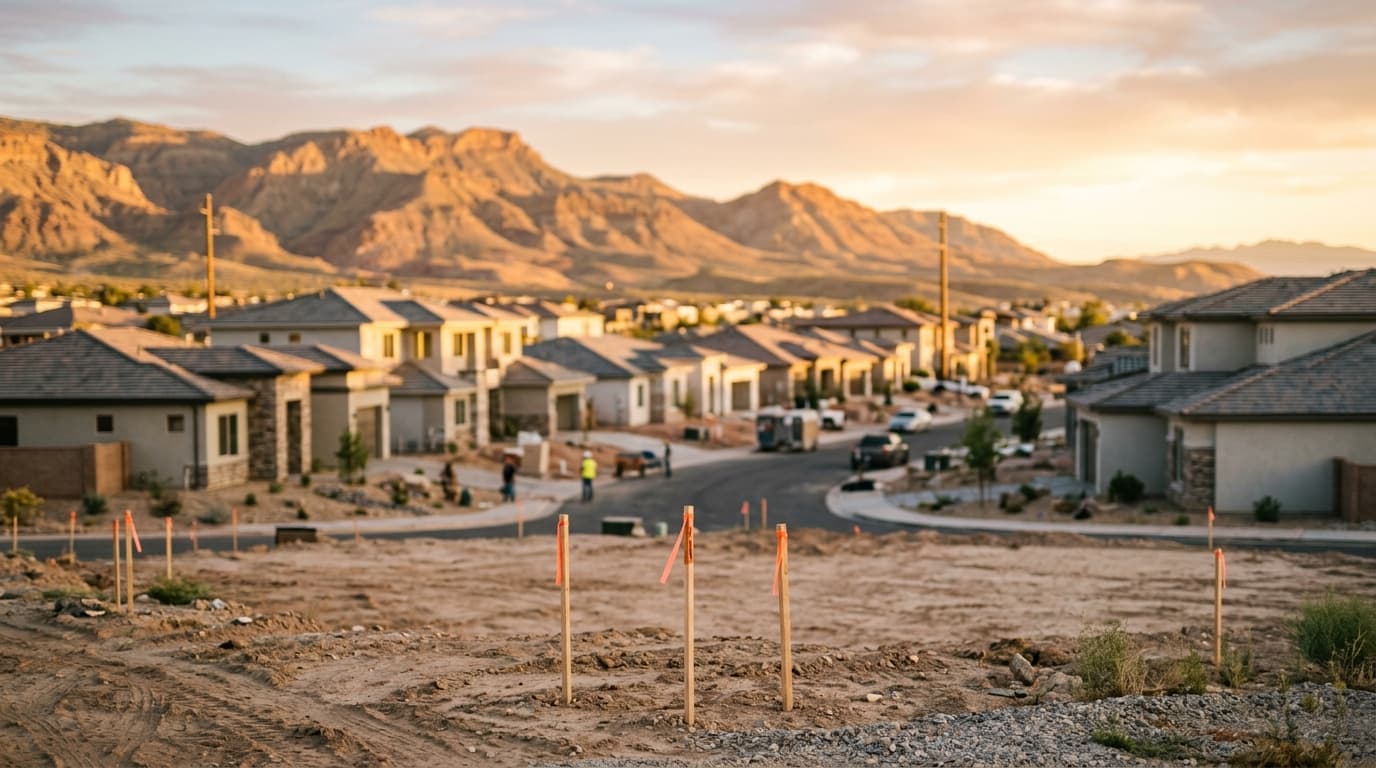
North Phoenix, particularly the newer-construction corridors nearer the fab campus, is where you can actually see the early seed-planting: land development, infrastructure projects, and builder interest. This is the area most likely to show the earliest visible shift once hiring ramps — but "earliest" still means years, not months. Builders are mapping out future phases; they're not harvesting today.
What This Means for Buyers Today
If you're buying with a 2026 move-in date, buy for your life now — commute, school, budget, roots that matter to you — not for a speculative harvest that may arrive long after you've repainted the kitchen twice. If you're buying with a longer horizon and comfortable holding for 7-10+ years, the North Phoenix corridors are reasonable places to plant long-term, understanding the growth curve is patient, not instant.
Either way, a broker's job is to shop your options across multiple lenders and match financing — including programs subject to qualification like down payment assistance or first-time buyer paths — to your timeline, not a projected tech boom.
Mapping Your Own Timeline
Every buyer needs their own map, not just the regional one. Household budget, job stability, and how long you plan to stay in the home all matter more than a single employer's ten-year plan. If you're weighing Chandler against North Phoenix, or comparing either against other growing corridors across the state, our Arizona page is a good starting point for seeing how local markets differ before you commit to a plot of land — or a plan.
The fab is real. The growth is real. Just remember: orchards take seasons, not news cycles.
Ready to make a plan?
- Start your plan: planpreparehome.com/apply
- Apply now: pph.pub/apply
- Call or text: 619-777-5700
Worth reading next: TSMC North Phoenix & Chandler Jobs: Where to Buy a Home…, TSMC North Phoenix Home Prices: Norterra, Anthem & Deer… and TSMC Phoenix Housing Impact 2026: Which Neighborhoods…. For the local picture, see our Arizona page.