Best Real Estate Markets 2026: Why Frisco & McKinney Lead Dallas-Fort Worth
Frisco and McKinney lead the pack because Dallas-Fort Worth's broader cooldown is a cyclical reset, not a structural decline — strong job growth, new household formation, and steady suburban demand kept these two cities at the top of national 2026 rankings even as price growth slowed across the metro.
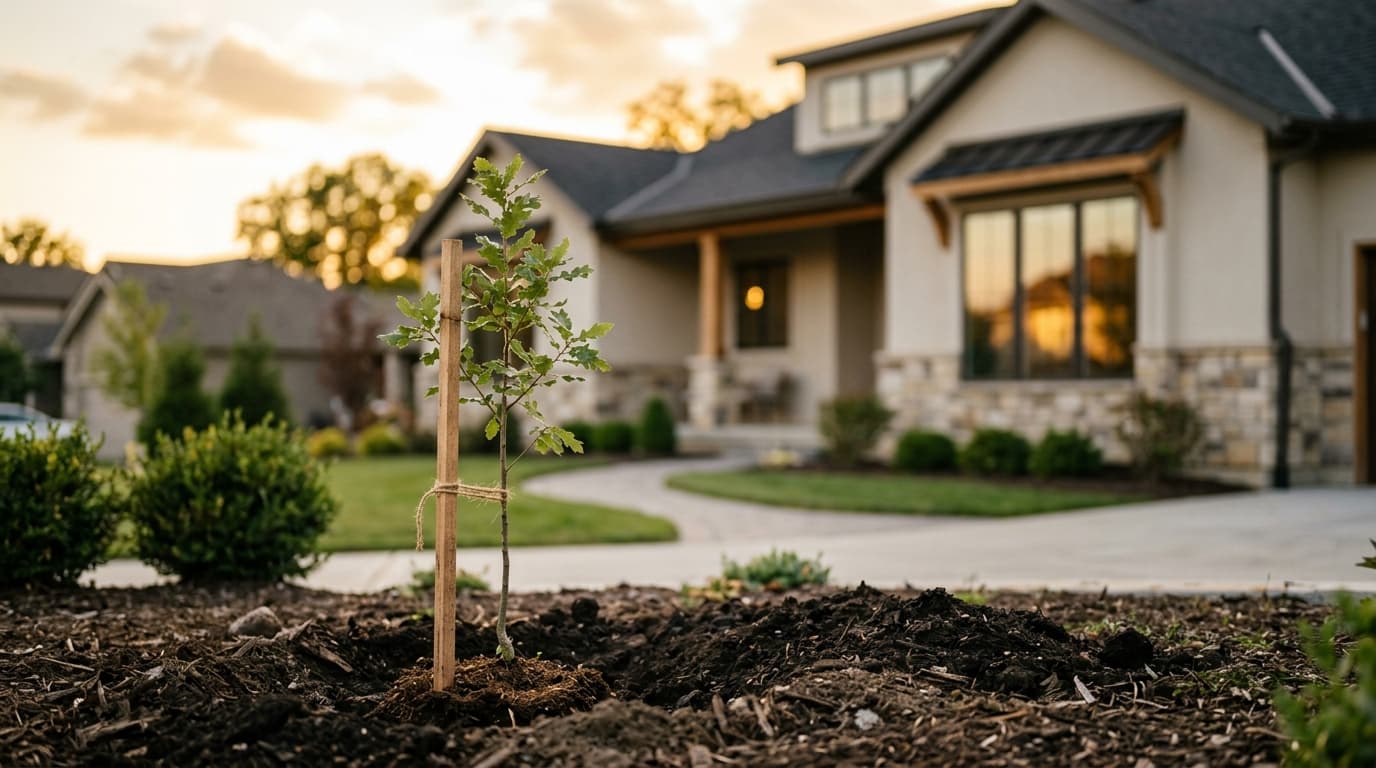
If you've been watching headlines about a "cooling" DFW market and wondering whether that's a red flag, you're asking a fair question. Here's the short version: a garden doesn't stop being fertile just because it's between growing seasons. The soil in Frisco and McKinney is still rich — it just needed a season to rest after a few years of rapid, almost unsustainable growth.
What "Cyclical Reset" Actually Means
Markets move in cycles, the same way plants move through seasons. A few years of explosive growth (lots of sun, lots of rain) eventually slows down so roots can catch up with the rest of the plant. That's what's happening across much of Dallas-Fort Worth right now. Price appreciation has moderated, inventory has loosened up a bit, and buyers have more breathing room than they did during the frenzy years.
That's different from a structural decline, which would mean the underlying reasons people move to DFW — jobs, affordability relative to coastal metros, corporate relocations, family-friendly suburbs — are drying up. They're not. Frisco and McKinney keep landing on "best places to live" and "best markets" lists precisely because those roots are still healthy: strong employer bases, new schools, and infrastructure built for growth that hasn't peaked yet.
Why Suburban Growth Keeps Outpacing the Core
Frisco and McKinney aren't winning by accident. A few things keep feeding their growth even in a slower cycle:
- Corporate relocation momentum. Major employers continue to plant headquarters and offices in the northern DFW suburbs, and jobs are the seeds that grow housing demand.
- New construction pipeline. Builders have kept pace with demand in ways that older, built-out metros can't, which helps keep options open for buyers instead of forcing bidding wars over scarce inventory.
- Lifestyle pull. Newer schools, parks, and retail corridors make these suburbs attractive to young families and move-up buyers alike — the kind of steady, long-term demand that doesn't evaporate when a market takes a breather.
None of this means every corner of DFW is identical. Market conditions can vary block by block, which is exactly why local guidance matters more than a national headline.
What This Means If You're Buying This Fall
A cyclical reset tends to favor buyers in a few concrete ways:
- More time to make decisions. Fewer bidding wars mean you can actually walk the house twice before writing an offer.
- More negotiating room. Sellers in a slower season are often more open to covering closing costs or making repairs.
- Wider program options. Because the market isn't moving at breakneck speed, there's more room to explore different loan programs — conventional, FHA, VA, or down-payment assistance options — all subject to qualification, matched to your specific goals rather than whatever moves fastest.
This is really the heart of what a mortgage broker does for you: rather than offering one fixed menu, we shop multiple lenders on your behalf to find programs that fit your situation, whether you're planting roots in Frisco for the first time or moving up to a bigger yard in McKinney.
A Note on Timing
Nobody can tell you the exact week to buy — markets, like weather, don't send calendar invites. But a reset period like this one is historically a reasonable time to start laying groundwork: get your documents in order, understand what you can comfortably afford, and have conversations with a broker about program options before you're competing for a specific house.
If you're exploring the Texas suburbs or comparing DFW to other fast-growing metros, our Texas page is a good next stop — it walks through what buyers across the state are seeing right now, market by market.
The Bottom Line
Frisco and McKinney topping 2026's best-markets list isn't a fluke — it's a sign that DFW's suburban growth story still has strong roots, even while the broader metro takes a seasonal breather. For buyers, that combination of resilience and reset can add up to a more favorable window than the headlines suggest.
Ready to make a plan?
- Start your plan: planpreparehome.com/apply
- Apply now: pph.pub/apply
- Call or text: 619-777-5700
Worth reading next: Dallas-Fort Worth Buyer's Market 2026: Which County…, Fort Worth vs Dallas Home Prices 2026: Which Is More… and Houston Housing Affordable First-Time Buyers 2026…. For the local picture, see our Texas page.