First-Time Homebuyer Down Payment Less Than 20 Percent: How Much Money Is Actually Needed?
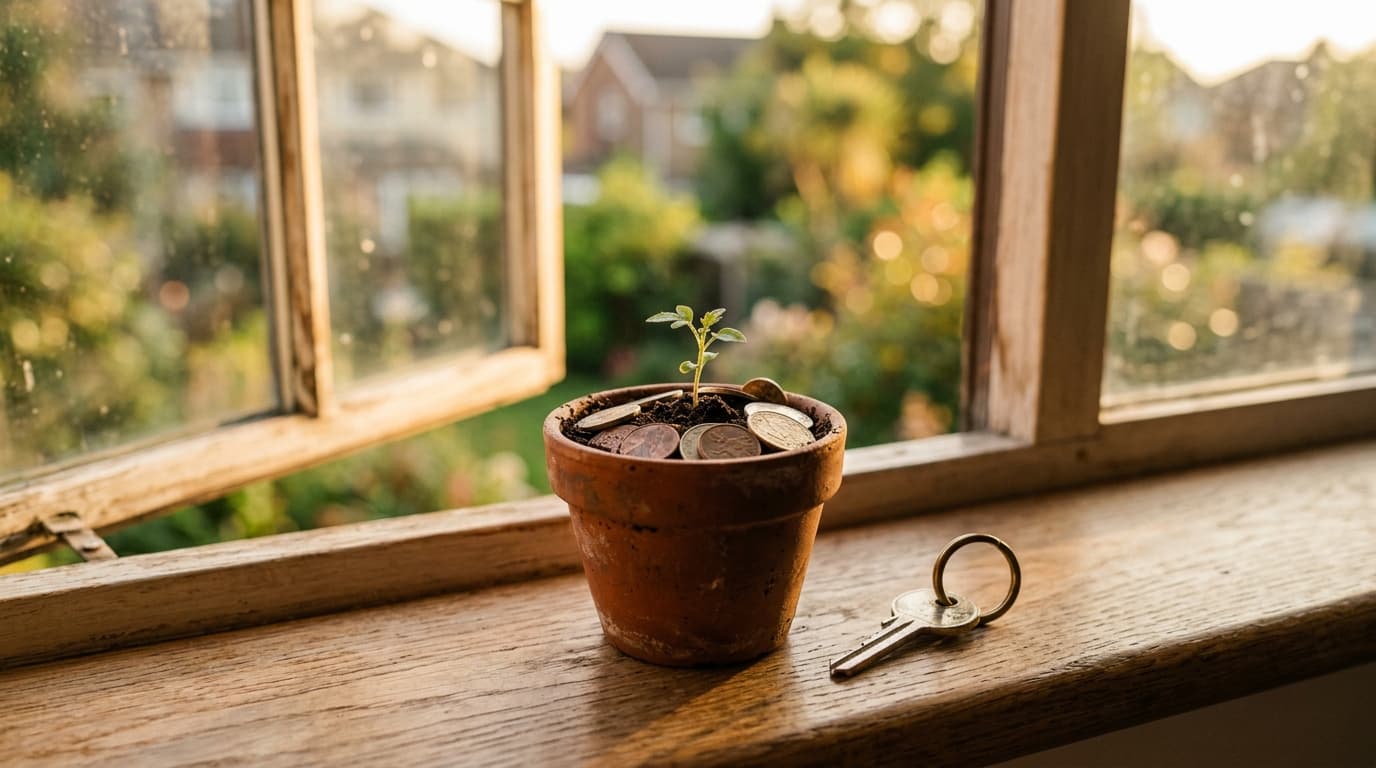
Most first-time buyers do not need anywhere close to 20% down—many programs allow down payments as low as 3% to 3.5% of the purchase price, subject to qualification. If that sounds too good to be true, take a breath. It's not a loophole; it's just how a lot of home financing actually works. The 20% number is more garden myth than garden rule, and it's kept a lot of hopeful buyers standing at the fence instead of walking through the gate.
Let's dig into where that myth came from, and what your real starting point might look like.
Where the 20% Myth Took Root
The 20% figure isn't a law—it's a guideline some buyers use to avoid paying for mortgage insurance. But needing to avoid it isn't the same as needing it to buy at all. Think of 20% down like watering your garden with a firehose: sure, it works, but a gentler approach can grow the same healthy plant without flooding the yard.
For many first-time buyers, especially in higher-cost markets, waiting to save 20% can take years—years where prices and rents may keep climbing. Understanding your actual options can help you plant your roots sooner rather than later.
Programs That Open the Door Wider
There are several paths that allow buyers to put down far less than 20%, each with its own soil conditions (aka requirements):
- FHA loans – Often allow down payments as low as 3.5%, with more flexible credit guidelines. Programs subject to qualification.
- Conventional low-down-payment programs – Some allow down payments as low as 3%, often paired with mortgage insurance until enough equity builds up. Programs subject to qualification.
- VA and USDA loans – For eligible veterans, service members, or buyers in qualifying rural areas, these may allow little to no down payment. Programs subject to qualification.
As a mortgage brokerage, Plan Prepare Home doesn't lend the money ourselves—we shop your scenario across multiple lenders to help find programs that might fit your situation, kind of like a gardener choosing the right seed for the local climate.
Where the Extra Sunlight Comes From: Gifts, Credits, and Assistance
Even a smaller down payment still requires some upfront cash, but you may have more sources of "sunlight" than you realize:
- Gifted funds – Many loan programs allow down payment money to come from family members, as long as it's properly documented. Programs subject to qualification.
- Seller concessions – In certain markets, sellers may agree to cover some closing costs, effectively freeing up more of your own cash for the down payment. Programs subject to qualification.
- Down payment assistance (DPA) programs – Many states and local housing agencies offer grants or low-cost loans to help bridge the gap for first-time buyers. Availability and terms vary widely by location and are subject to qualification.
If you're house-hunting in a state like Texas or California, your state page is a good place to start exploring what local down payment assistance or first-time buyer programs might be available in your area.
How Much Money You Might Actually Need
Instead of fixating on 20%, it helps to think of your total upfront cash as a few separate seed packets:
- Down payment – Often 3–3.5% of the purchase price for many first-time buyer programs, subject to qualification.
- Closing costs – Typically a percentage of the loan amount, though this varies by location and loan type.
- Reserves – Some programs like to see a small cushion of savings left over after closing, like a rain barrel for the next dry spell.
None of these numbers are one-size-fits-all, and your specific combination will depend on the loan program, your state, and your overall financial picture. That's exactly why working with a broker—rather than a single lender—can help you compare multiple paths side by side instead of guessing in the dark.
Growing Toward Your First Home
The idea that you need a mountain of cash before you can even think about buying has kept a lot of capable, ready buyers on the sidelines. In reality, today's first-time buyer landscape has more paths, more assistance, and more flexibility than the old 20%-down story ever let on.
Think of your down payment less like a locked gate and more like the first seed you plant. With the right program and the right guidance, that seed can grow into something solid—your very first home.
Ready to make a plan?
- Start your plan: planpreparehome.com/apply
- Apply now: pph.pub/apply
- Call or text: 619-777-5700
Worth reading next: San Antonio First-Time Homebuyer Down Payment…, First Time Homebuyer Down Payment 20 Percent Myths… and First Time Buyer Down Payment 10 Percent in 2026…. For the local picture, see our Arizona page.