Pre-Approval vs. Pre-Qualified for First-Time Homebuyers in 2026: What's the Real Difference?
Pre-qualification is a rough estimate based on what you self-report, while pre-approval is a verified snapshot based on documents a broker has actually checked — and in 2026's more selective markets, that difference decides whether sellers take your offer seriously.
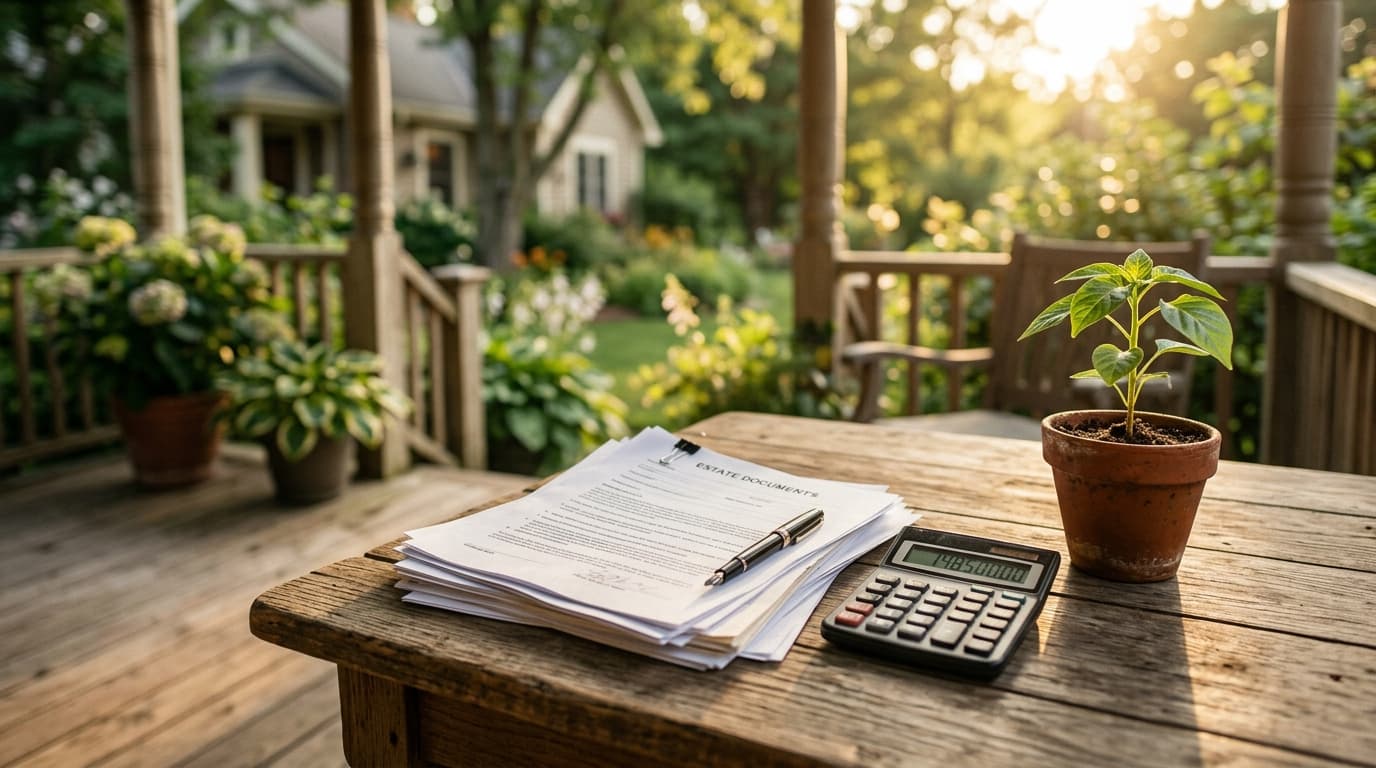
Think of these two terms as two very different stages in a garden. One is you eyeballing a patch of dirt and guessing what might grow there. The other is a soil test, sun-mapping, and an actual planting plan. Both are useful. Only one tells you — and everyone else — what's really possible.
Pre-Qualification: The Napkin Sketch
Pre-qualification is quick and informal. You share some basic numbers — income, debts, an estimated credit range — and get a ballpark figure back. No documents are verified. No one has looked under the hood.
That's not a bad first step. It's like walking your yard before you plant anything, noticing where the sun hits and where the shade lingers. It gives you a general sense of scale. But a napkin sketch isn't a landscaping plan, and a pre-qualification letter isn't proof of anything a seller can rely on.
Pre-Approval: The Verified Blueprint
Pre-approval goes deeper. A broker collects real documentation — pay stubs, tax returns, bank statements, credit reports — and submits it for an actual underwriting review. What comes back is a more grounded picture of what you may be able to borrow, tied to real paperwork instead of self-reported guesses.
This is the difference between describing your garden and having a soil report in hand. It doesn't guarantee a bumper crop, but it tells you and everyone watching that the groundwork has actually been done.
Why This Distinction Matters More in 2026
Markets have gotten choosier. Inventory is tighter in many pockets, and sellers — especially in competitive metros — are wary of offers built on estimates alone. A pre-qualification letter might get you a polite nod. A pre-approval letter tends to get your offer an actual seat at the table.
This matters whether you're looking at a starter home in suburban Texas or navigating the layered, often faster-moving markets of California. Different states, different soil conditions — but the same rule applies: verified paperwork travels further than a guess.
For first-time buyers specifically, this is doubly important. You're not just trying to win a house; you're trying to build credibility as a new gardener in an established plot. Sellers and their agents are quietly asking, "Do these buyers actually know what they can afford, or are they hoping?" Pre-approval answers that question with evidence instead of optimism.
Where a Broker Actually Helps
This is where working with a broker — rather than going straight to a single lender — starts to pay off. A broker like Plan Prepare Home doesn't plant one seed and hope it takes. We shop your file across multiple lending sources, comparing programs (subject to qualification) so you're not stuck with whatever one institution happens to offer that week.
That matters because "pre-approved" isn't one-size-fits-all. Loan programs vary in their documentation requirements, their flexibility, and their fit for different financial pictures. A broker's job is to match your specific roots — your income type, your credit history, your down payment plan — with programs actually built for that shape, subject to qualification, rather than forcing your situation into a single lender's mold.
The Budget Clarity You Actually Need
Beyond credibility with sellers, pre-approval gives you something quieter but just as valuable: budget clarity. Instead of touring homes based on a loose estimate, you're shopping with a verified range in hand. That keeps you from falling for a house that looks like ripe fruit but is actually outside your reach — and it keeps you from underestimating what might genuinely be possible.
The Bottom Line for First-Time Buyers
Pre-qualification is a helpful first glance at the landscape. Pre-approval is the actual survey, done with real tools and real documentation. In 2026's more competitive, more selective housing markets, that difference isn't just paperwork semantics — it's what separates a buyer sellers take seriously from one they politely pass on.
Before you start touring open houses, it's worth asking your broker plainly: "Are we talking pre-qualification or pre-approval here?" The answer changes everything that follows.
Ready to make a plan?
- Start your plan: planpreparehome.com/apply
- Apply now: pph.pub/apply
- Call or text: 619-777-5700
Worth reading next: Pre-Qualification vs Pre-Approval: What Does It Mean…, Pre-Approval vs. Pre-Qualified for First-Time… and Tampa Bay Flood Insurance Cost by Zip Code…. For the local picture, see our Arizona page.