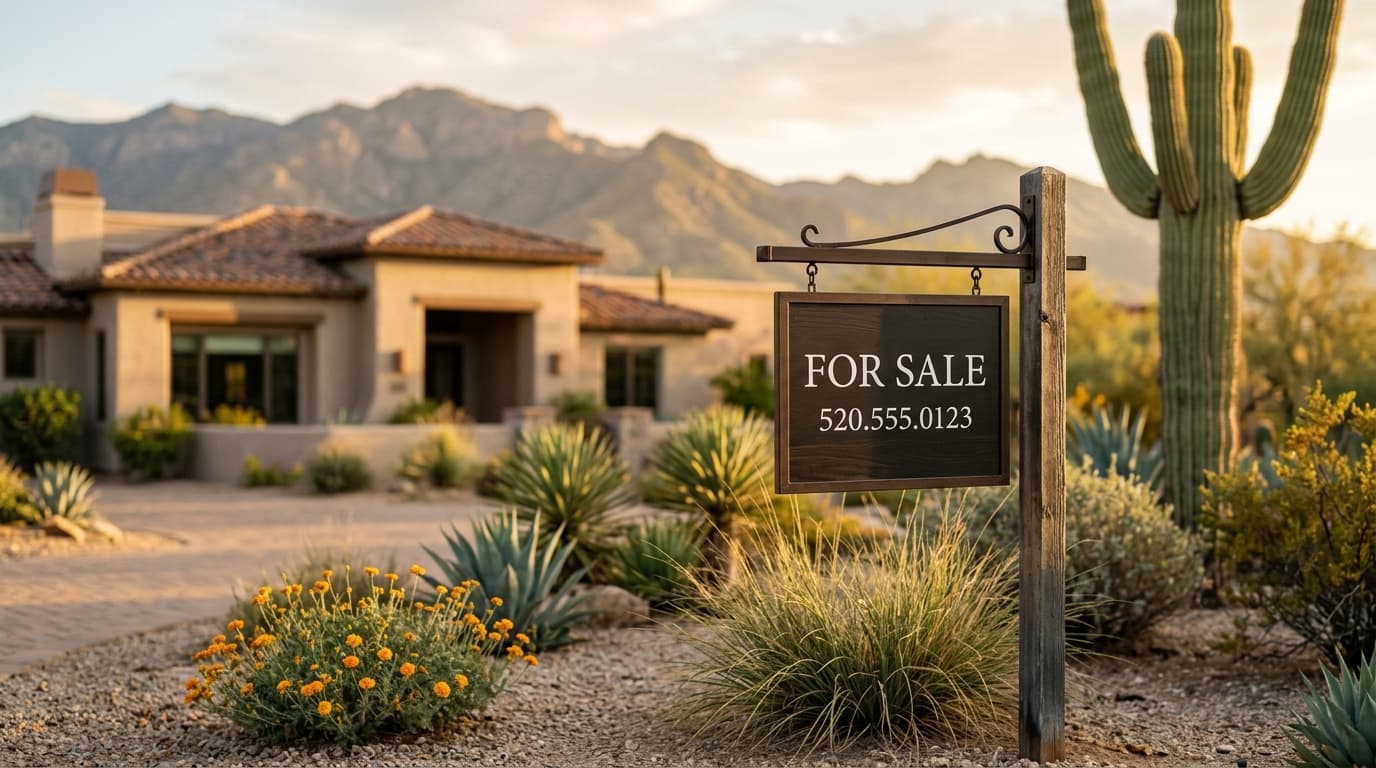
Best Neighborhoods to Buy in Phoenix in a 2026 Buyer's Market: How to Spot Them Early
The best neighborhoods to buy in Phoenix during a 2026 buyer's market are the ones showing rising inventory, slower days-on-market, and price trends that have leveled off rather than spiked—these are the early signals that sellers are more open to negotiating and buyers finally have some breathing room. Spotting those pockets before everyone else notices them is really just a matter of knowing what soil to check and when.
Phoenix Has Quietly Changed Seasons
For a few years, Phoenix behaved like a garden in full bloom—everything sold fast, often above asking, with little time to weigh options. That season is passing. Homes are sitting longer, sellers are adjusting price expectations, and the ratio of buyers to available homes has eased toward a more balanced footing. This doesn't mean the market has gone cold; it means the soil has softened enough that a patient buyer can finally get their roots in without a bidding-war scramble.
For homebuyers across Arizona, this shift matters most in metro Phoenix, where the recent run-up left many buyers priced out or worn down. A more balanced market doesn't guarantee a bargain—but it does open the door to smarter, less rushed decisions.
Reading the Soil: Inventory and Absorption Rates
Two numbers tell you almost everything about a neighborhood's temperature:
- Inventory levels — how many homes are actively listed. Rising inventory usually means less competition per listing.
- Absorption rate — how quickly that inventory is being sold. A slowing absorption rate suggests supply is catching up with (or outpacing) demand.
Think of it like watching rainfall versus soil drainage. When homes are listed faster than they're selling, water starts to pool—prices soften, and negotiating room grows. When absorption speeds back up, that pooling drains away and competition returns. Watching these two indicators together, month over month, is the simplest way to catch a neighborhood in transition before it becomes common knowledge.
Spotting Neighborhood Momentum Before It's Obvious
Citywide averages hide a lot. Phoenix isn't one market—it's dozens of small ecosystems, each with its own microclimate. A few practical ways to find neighborhood-level momentum:
- Watch price-reduction patterns. A cluster of recent reductions in one area often means sellers are recalibrating to buyer demand—sometimes before the broader data catches up.
- Track days-on-market trends by zip code, not just city-wide. A neighborhood quietly creeping from three weeks to six weeks is worth a second look.
- Notice new construction pacing. Builders often pull back or offer incentives first in areas where resale competition is rising—another early buyer-market signal.
- Talk to local agents about showing traffic. Lower foot traffic with steady inventory can mean a neighborhood is undervalued relative to its fundamentals, not its appeal.
None of these signals alone tells the whole story, but together they work like a compass—pointing toward areas where patience is currently being rewarded.
Planning Your Financing Before You Plant
A buyer's market rewards preparation as much as timing. Because Plan Prepare Home works as a mortgage brokerage—shopping your scenario across multiple lenders rather than being the lender ourselves—we can help you understand which loan paths might fit your situation, including options like conventional, FHA, or other programs subject to qualification. Having that groundwork laid before you start touring homes means you can move confidently the moment the right property—and the right price—line up.
Growing Into the Right Neighborhood
A softening market doesn't mean grabbing the first discount you see. It means taking the time to actually study the ground: inventory, absorption, price behavior, and local momentum. The neighborhoods quietly adjusting today are often the ones that will bloom again first once demand returns. Buyers who take the time to read those early signals—rather than waiting for headlines to catch up—are usually the ones who end up planting in the best spot.
Ready to make a plan?
- Start your plan: planpreparehome.com/apply
- Apply now: pph.pub/apply
- Call or text: 619-777-5700
Worth reading next: TSMC Jobs North Phoenix: Best Neighborhoods to Buy in…, TSMC Phoenix Housing Impact 2026: Which Neighborhoods… and TSMC North Phoenix Housing Demand 2026: How Salary…. For the local picture, see our Arizona page.