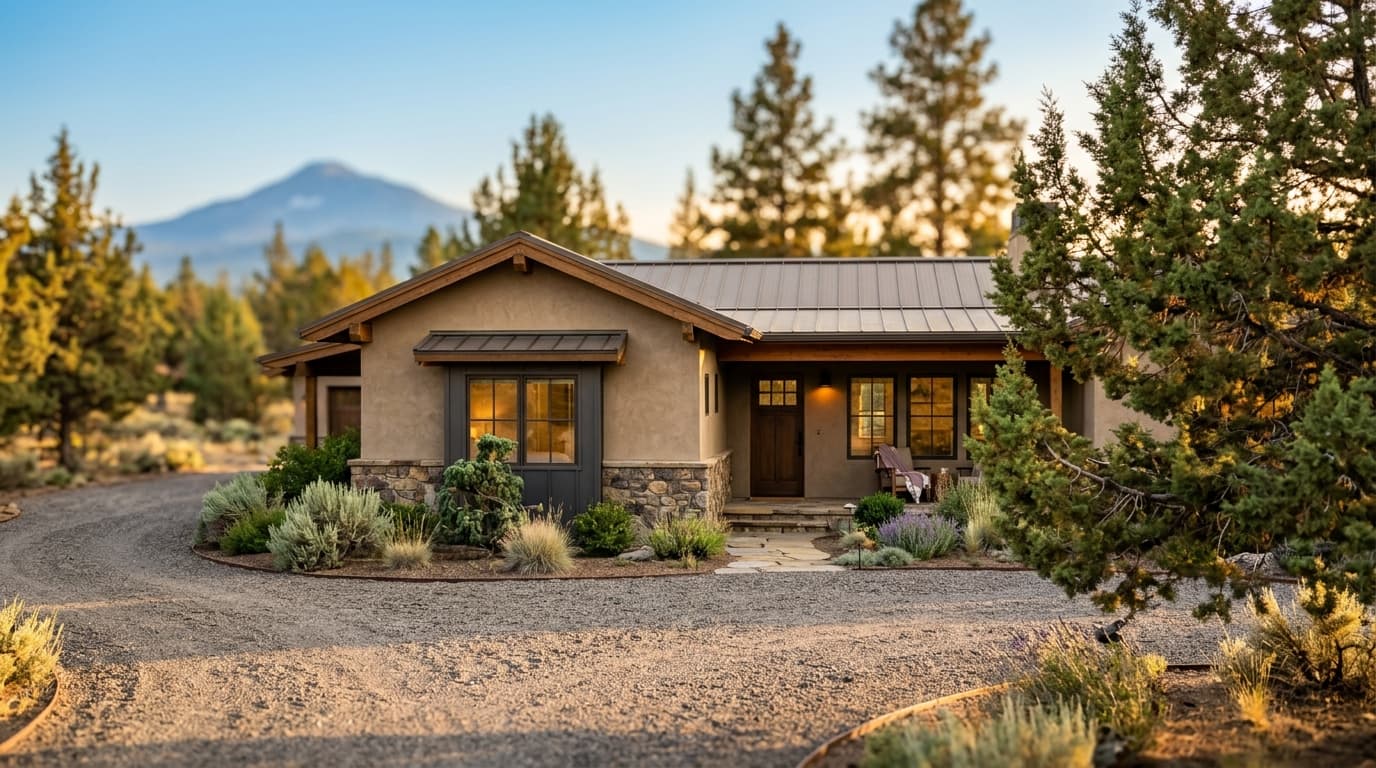
Bend Oregon Wildfire Insurance Cost 2026: A Homebuyer's Budget Guide
In 2026, wildfire-zone homeowners insurance in Bend and Central Oregon commonly runs noticeably higher than coastal or Willamette Valley properties — often ranging from a few hundred to well over two thousand dollars a year depending on the home's defensible space, roof material, proximity to forest, and claims history — which is why smart buyers get a real quote before they lock anything in. Think of it like testing your soil before you plant: skip it, and you might build a beautiful budget on ground that can't support it.
Why This Question Matters More in 2026
Central Oregon's wildfire risk has reshaped how insurance carriers price homes near the forest's edge. Some carriers have pulled back from high-risk zip codes altogether, while others have introduced new underwriting rules tied to roofing, vegetation clearance, and home age. For buyers, this means the insurance line item in your monthly budget is no longer a rounding error — it's a root that needs checking before you plant your hopes in a specific property.
Step 1: Get a Quote Before You Fall in Love
Just like you wouldn't buy seeds without knowing your growing zone, don't fall for a home before you know its insurance cost. Ask your real estate agent for the property's address early, and reach out to an independent insurance agent for a preliminary quote — ideally before your offer is accepted, and definitely before you're deep into the loan process. This single step can save you from a budget surprise during underwriting.
Step 2: Understand What Drives the Premium
A handful of factors tend to sway Bend and Sisters-area premiums the most:
- Defensible space — cleared, maintained zones around the home often earn meaningful discounts
- Roof and siding materials — metal or Class A fire-rated roofing is viewed favorably
- Distance to wildland-urban interface — homes tucked right against forest edges see higher scrutiny
- Home age and wiring — older homes may face additional inspection requirements
- Community mitigation programs — some neighborhoods with shared fuel-reduction efforts see group-level benefits
Mitigation isn't just about safety — it's often the lever that shifts your premium range from the higher end to something far more manageable.
Step 3: Model the Swing Into Your Monthly Payment
Here's where the garden metaphor gets practical: insurance premiums are usually bundled into your monthly housing payment alongside principal, taxes, and if applicable, mortgage insurance. A premium swing of even a few hundred dollars a year translates into a real monthly difference — the kind that can change what price range feels comfortable.
Before you commit to a purchase price, ask your broker to run the math two ways: once with a conservative (higher) insurance estimate, and once with the number you'd get if mitigation discounts applied. Seeing both ends of that range helps you budget like a gardener planning for both drought and rain — prepared either way.
Step 4: Loop In Your Mortgage Broker Early
This is where working with a broker — rather than going straight to a single lender — pays off. At Plan Prepare Home, we shop your scenario across multiple lending partners who each weigh insurance costs, property location, and loan programs differently. Some loan programs (subject to qualification) have specific requirements around insurable property conditions in wildfire zones, and knowing this upfront helps you and your agent target homes that won't hit snags later in underwriting.
Step 5: Revisit the Budget Before Rate-Lock
Insurance quotes can shift as you move from a preliminary estimate to a bound policy, especially if an inspection reveals brush that needs clearing or a roof nearing the end of its life. Before you lock in your loan terms, confirm your final insurance premium is in hand — not just estimated. This final check is like checking the soil moisture right before transplanting: a small step that prevents a lot of wilted plans later.
Bend-Specific Resources Worth Bookmarking
Local defensible-space programs, Firewise USA community certifications, and Deschutes County wildfire mapping tools can all help you (and your insurance agent) build a clearer premium picture before you shop. Pairing that homework with a broker who understands Oregon's lending landscape — including how insurance factors into approval conversations — gives you a fuller map before you commit.
The Takeaway
Wildfire insurance in Bend and Central Oregon isn't a reason to avoid the area — it's simply a budget input that deserves attention earlier than most buyers expect. Quote it early, understand what shifts it, and build your monthly numbers around real figures instead of guesses.
If you're exploring a purchase anywhere in the state, our Oregon page is a good next stop for understanding how local market factors — insurance included — fit into your overall homebuying plan.
Ready to make a plan?
- Start your plan: planpreparehome.com/apply
- Apply now: pph.pub/apply
- Call or text: 619-777-5700
Worth reading next: Bend, Oregon Wildfire Insurance Cost 2026: How Much…, Bend, Oregon Wildfire Insurance Cost for 2026… and Bend Oregon Home Insurance Doubled? What Wildfire Cost…. For the local picture, see our Oregon page.