Alternatives to a 20 Percent Down Payment for First-Time Homebuyers in 2026
For alternatives to a 20 percent down payment, first-time homebuyers in 2026 are leaning on three main paths: low-down-payment loan programs, family gift funds, and co-buying arrangements — often layered together with down payment assistance programs subject to qualification. The 20%-down rule was never actually a rule; it's a holdover myth that still convinces a lot of would-be homeowners to wait years longer than they need to.
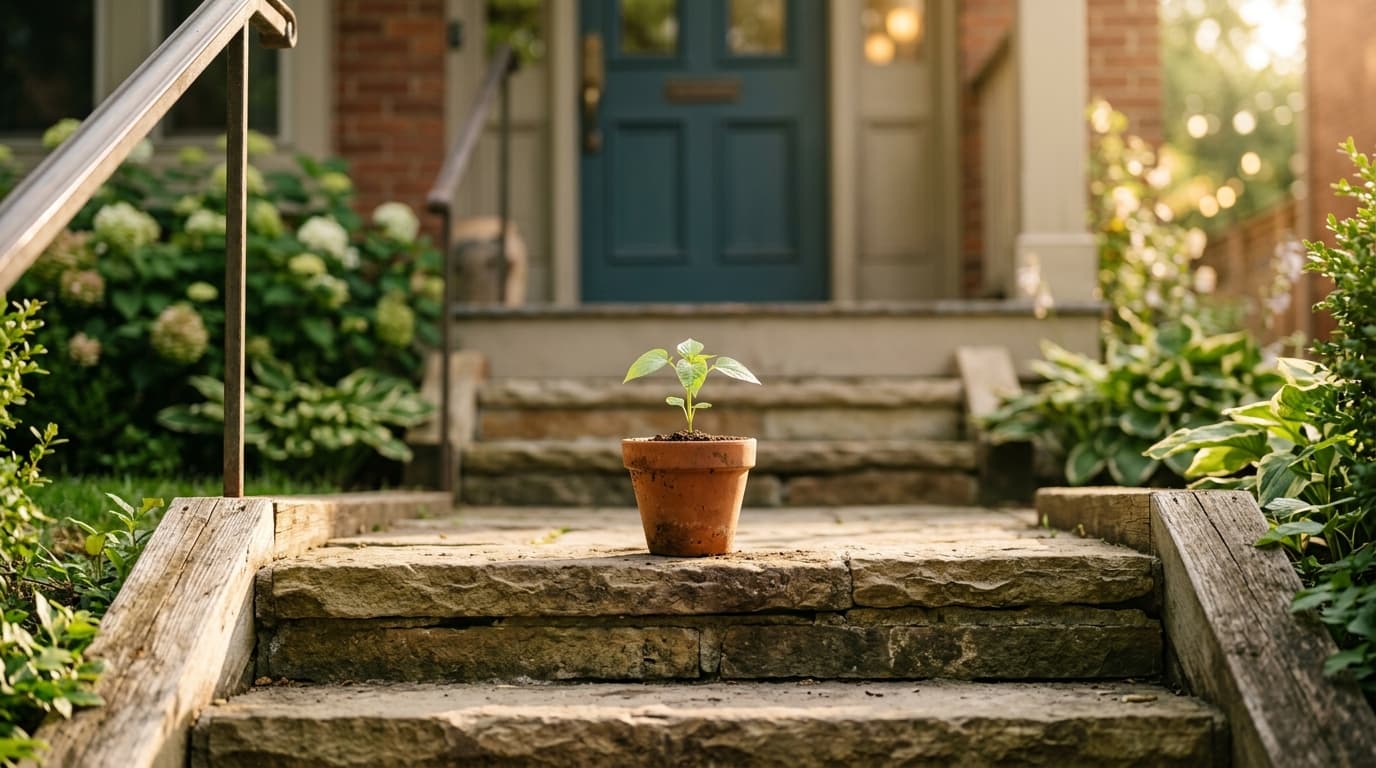
Think of the 20% figure like believing a garden needs a full acre before you're allowed to plant anything. In reality, plenty of thriving gardens start in a window box. Let's dig into what's actually growing in the homebuying world right now.
The 20% Myth, Finally Composted
Twenty percent down was historically tied to avoiding mortgage insurance, not to some law of real estate gravity. Many loan programs today are built for far smaller down payments — some in the low single digits — depending on the program, your financial picture, and the property itself. A mortgage broker's job is to till through the many lenders and programs available and find which ones actually fit your soil, rather than assuming everyone needs the same amount of fertilizer.
Family Gifts: Nearly 1 in 3 First-Timers Use Them
Here's a number worth sitting with: roughly 29% of first-time buyers use a gifted down payment from family. That's not a shortcut or a loophole — it's a well-worn path. Parents, grandparents, and relatives often see it as planting a seed early instead of leaving an inheritance later. Lenders typically want a simple gift letter confirming the money doesn't need to be repaid, and documentation of where the funds came from. It's paperwork, not drama.
If this sounds like your situation, loop in your broker early. Gift funds usually need to follow specific seasoning and sourcing rules depending on the loan program, and getting the timeline right avoids last-minute scrambling.
Co-Buying: Two (or More) Sets of Roots, One House
Buying with a sibling, a friend, or a partner you're not married to is becoming a normal branch of the homeownership tree rather than an exception. Co-buyers combine incomes and down payment funds, which can open doors that one income alone can't yet reach. It's not for everyone — you'll want clear agreements in writing about ownership shares, exit plans, and what happens if one person wants to sell down the road. But as a strategy to get into a first home sooner, it's one of the fastest-growing trends among younger buyers in 2026.
Down Payment Assistance Programs: Planter Boxes, Not Prizes
Down payment assistance (DPA) programs exist in nearly every state we serve, including Texas and California, and they're not some rare grant only a lucky few win. Many are structured as low-interest loans, forgivable loans, or grants tied to income limits or first-time buyer status — all programs subject to qualification. Some stack with gift funds. Some stack with low-down-payment loan programs. A broker who shops multiple lenders can map out which combinations are realistically available in your market, because availability varies quite a bit by state and even by county.
So What Does "Alternative" Actually Mean?
It doesn't mean riskier or lesser. It means there's more than one trail up the hill. For some buyers, that's a loan program built around a smaller down payment. For others, it's a gift from family paired with a DPA program. For others still, it's a co-buying arrangement that makes the monthly numbers work together instead of alone. None of these paths promise approval — that always depends on your full financial picture, the lender's guidelines, and the program's specific rules — but they do widen what's possible before you even start looking at listings.
Planting Before You're "Ready"
The old idea of waiting until you have a full 20% saved is a bit like waiting for a tree to be fully grown before you ever plant the seed. Most first-time buyers in 2026 are getting in with smaller down payments, outside help, shared ownership, or assistance programs — often some mix of all three. The real first step isn't saving faster. It's getting a clear-eyed map of which paths are open to you right now, in your state, with your numbers.
That's the kind of groundwork a mortgage broker does best: not promising a specific outcome, but shopping the field of lenders and programs so you can see your actual options instead of guessing in the dark.
Ready to make a plan?
- Start your plan: planpreparehome.com/apply
- Apply now: pph.pub/apply
- Call or text: 619-777-5700
Worth reading next: San Antonio First-Time Homebuyer Down Payment…, First Time Homebuyer Down Payment 20 Percent Myths… and First Time Buyer Down Payment 10 Percent in 2026…. For the local picture, see our Florida page.