How Much Cash Do I Need to Buy a House? First-Time Buyer's Guide for 2026
For most first-time buyers in 2026, the real cash needed to buy a house is your down payment PLUS another 2–5% of the home price for closing costs, plus moving expenses and a cushion for emergencies—often 7–10% of the purchase price in total, not just the down payment alone.
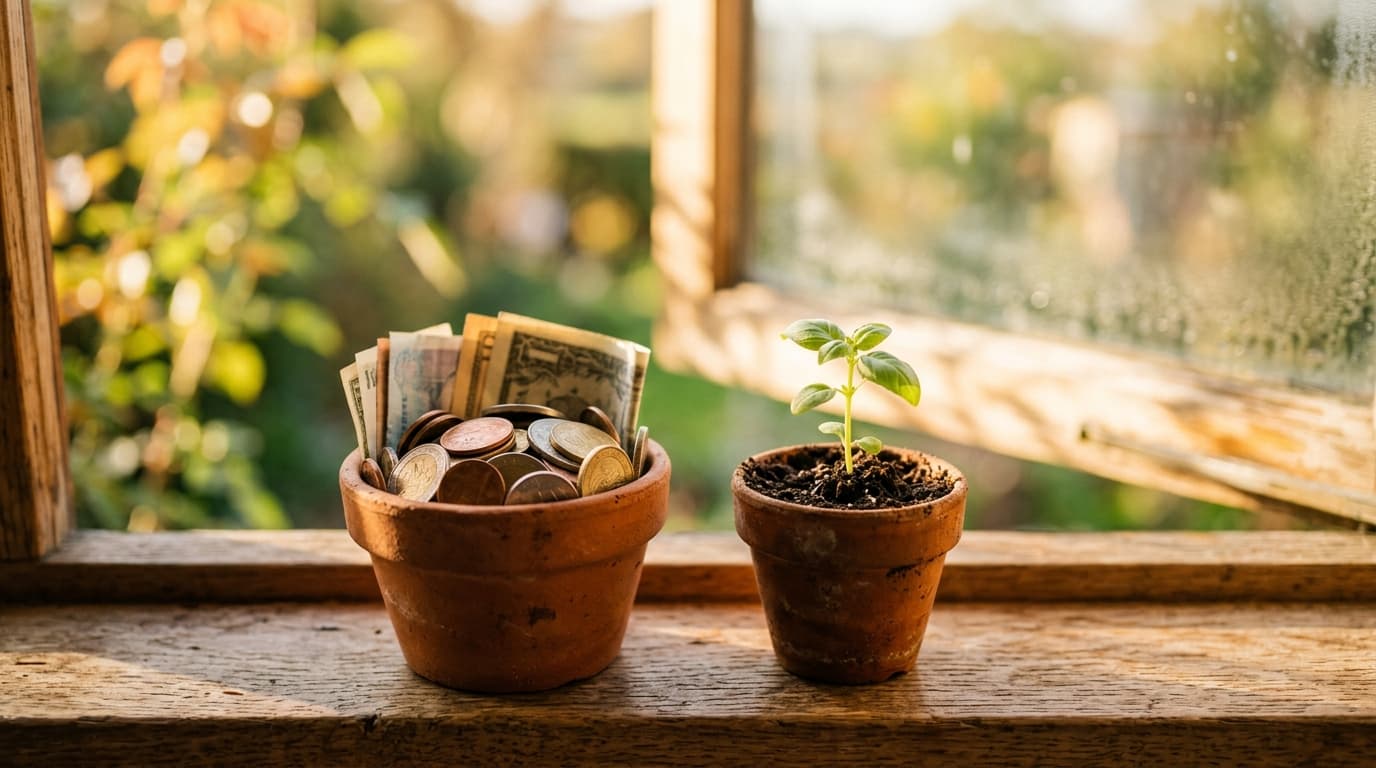
If you've been saving with your eyes locked on one number—the down payment—you're not alone. But here's the thing we see over and over at Plan Prepare Home: most first-time buyers get this math wrong, usually underestimating their true cash needs by thousands of dollars. Think of it like planting a garden. The seed (your down payment) matters, but you also need soil, water, and tools to actually grow something. Let's walk through what those "tools" really are.
The Down Payment Is Just the Seed
Everyone talks about the down payment because it's the most visible cost. Depending on the loan program you qualify for, this could range from a small percentage of the home price to something more traditional. Programs subject to qualification, some buyers may have access to lower down payment options—but that's a conversation to have with a broker who can shop multiple lenders on your behalf, since every buyer's soil is a little different.
The mistake? Stopping your savings plan right there. The seed alone doesn't grow a garden.
Closing Costs: The Soil Nobody Talks About
Closing costs typically run 2–5% of your home's purchase price, and they cover things like loan origination fees, title insurance, appraisal fees, and prepaid items like homeowner's insurance and property taxes. On a modestly priced home, that can easily add up to several thousand dollars—cash you need on top of your down payment, not instead of it.
This is where location matters too. Buying in Texas versus California can mean different average closing costs, property tax structures, and local fees. A broker who knows these regional differences can help you map out a more accurate estimate before you're standing at the closing table with a surprised look on your face.
Moving Costs: The Water Your Garden Still Needs
Even after you've handled the down payment and closing costs, your house still needs water to actually come alive. Moving trucks, deposits for utilities, new furniture, paint, maybe a locksmith to change the locks—these costs sneak up because they don't show up on any loan estimate. Budgeting even a modest amount for moving and setup costs helps you avoid raiding your emergency fund in week one.
The Emergency Fund: Your Garden's Insurance Policy
Here's the part first-time buyers forget most often: homeownership comes with surprises. A water heater that gives out, a roof repair, an HVAC hiccup in the first few months—these aren't hypothetical, they're just part of owning a home instead of renting one. Financial educators often recommend keeping a cushion set aside after closing, separate from your down payment and closing costs, so an unexpected expense doesn't turn into a financial crisis.
So What's the Real Number?
When you add it all up—down payment, closing costs (2–5%), moving expenses, and a reasonable emergency cushion—many first-time buyers need meaningfully more cash than they originally planned for. This is exactly why so many buyers get surprised partway through the process. The down payment conversation is only half the map.
How a Broker Helps You See the Whole Map
This is where working with a mortgage broker (not a lender) makes a real difference. At Plan Prepare Home, we shop multiple lenders on your behalf to find programs and terms that might fit your situation—programs subject to qualification—and we help you build a realistic, full picture of your total cash needs before you ever make an offer. Think of us less like a single seed packet and more like a garden consultant who knows which combination of soil, sun, and water will actually work for your specific yard.
Start Mapping Your Numbers Early
The earlier you start planning for the full cash picture—not just the down payment—the more breathing room you'll have when it's time to make an offer. Whether you're exploring options in Texas, California, or elsewhere in our service area, understanding this bigger number now means fewer surprises later.
Your down payment is the seed. But a thriving first home takes the whole garden.
Ready to make a plan?
- Start your plan: planpreparehome.com/apply
- Apply now: pph.pub/apply
- Call or text: 619-777-5700
Worth reading next: Tampa Bay Flood Insurance Cost by Zip Code…, How Much Does Homeowners Insurance Cost Before Buying a… and First-Time Home Buyer Down Payment 2026: How Much Do…. For the local picture, see our Arizona page.