Most Expensive Home Inspection Red Flags: What Costs the Most to Fix
The most expensive home inspection red flags to fix are foundation and structural damage ($15,000–$50,000), major electrical rewiring ($5,000–$15,000), and full roof replacement ($5,800–$13,000)—with costs varying significantly by region, soil type, and local labor rates. Knowing which red flags are negotiable repairs and which are true dealbreakers can save you from buying a money pit disguised as a dream home.
Think of an inspection report like a soil test before you plant a garden. Some conditions just need a little amending. Others tell you the ground itself won't support what you're trying to grow.
Foundation and Structural Issues: The Deepest Roots
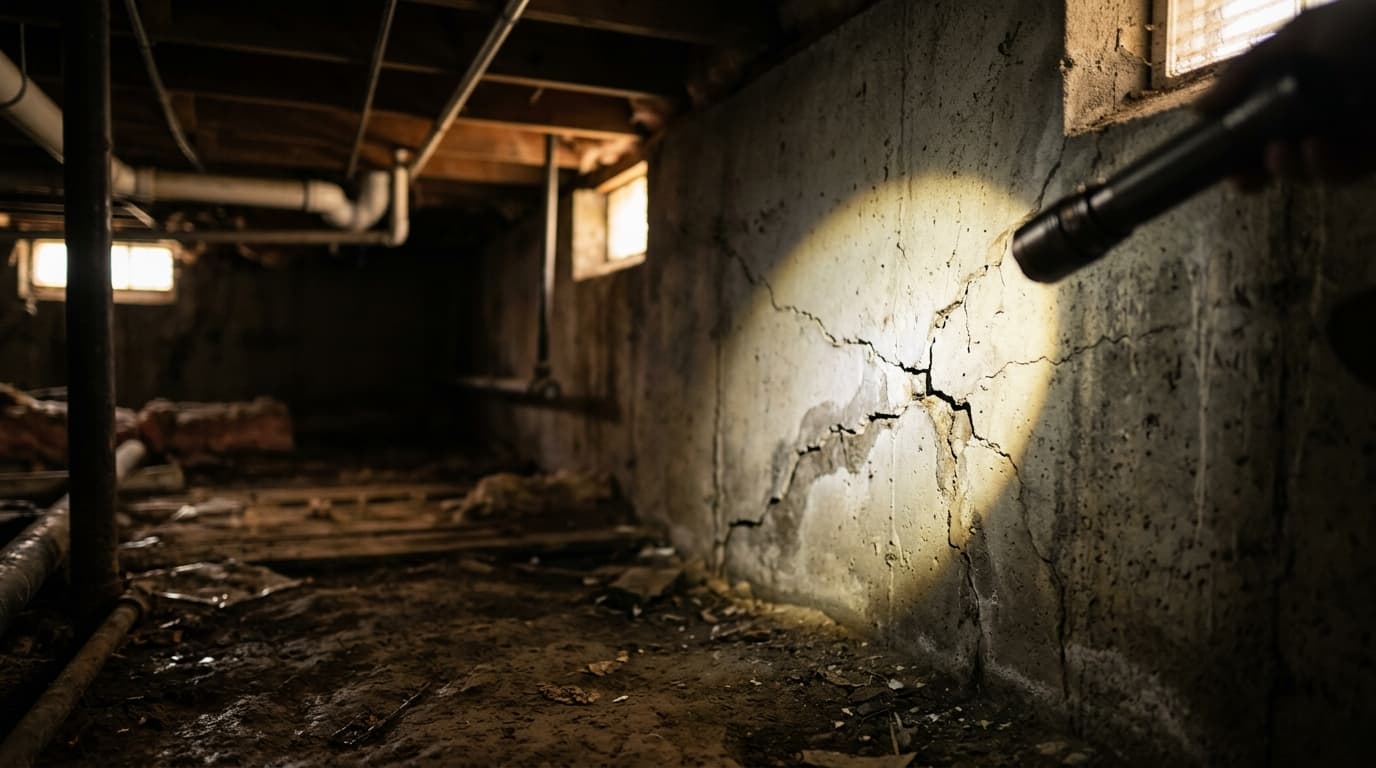
Foundation problems are the home-buying equivalent of discovering a tree's roots have grown into the pipes—everything above ground might look fine, but the real issue is out of sight. Cracks, uneven floors, or doors that won't close right can signal settling, soil movement, or water intrusion beneath the slab.
Repair costs for foundation work typically run $15,000 to $50,000, depending on severity and whether the fix requires piering, slab jacking, or full underpinning. Expansive clay soils in parts of Texas can make foundation movement more common, while homes in California may face added complexity from seismic retrofit requirements.
Negotiable? Minor hairline cracks with no active movement—often yes, especially with seller credits. Dealbreaker? Active shifting, bowing walls, or evidence of repeated past repairs that didn't hold.
Electrical Systems: The Wiring Is the Nervous System
Outdated or unsafe electrical work is like old garden wiring on a trellis—invisible until it fails at the worst moment. Red flags include aluminum wiring, federal pacer stab-lok panels, knob-and-tube wiring, or a panel that can't support modern load demands.
Rewiring a home typically costs $5,000 to $15,000, depending on square footage and whether walls need to be opened. Older housing stock in parts of the Pacific Northwest and Northeast-adjacent markets like Colorado often carries more legacy wiring than newer Sun Belt construction.
Negotiable? A panel upgrade or partial rewire—common and often priced into negotiations. Dealbreaker? Widespread knob-and-tube wiring throughout an occupied, un-renovated home, especially paired with fire-damage evidence.
Roofing: Your Home's First Line of Defense
A roof is the canopy protecting everything beneath it. Missing shingles, sagging rooflines, or multiple layers of old roofing material signal it's nearing the end of its life.
Full roof replacement costs generally range from $5,800 to $13,000, though material choice (tile, metal, asphalt) and regional labor costs shift that number. Homes in Florida and coastal areas often require hurricane-rated materials, which can push costs higher, while asphalt shingle replacements in Nebraska or inland Oregon may land toward the lower end.
Negotiable? Isolated leaks or a roof with a few years of life left—frequently resolved with seller concessions. Dealbreaker? Structural sagging in the roof deck itself, which often signals deeper water damage underneath.
Water Damage: Where Small Leaks Become Big Problems
Water is patient. A small leak left unchecked for years can rot framing, invite mold, and weaken structural elements—much like a slow drip eroding soil around a seedling's roots. Inspectors look for staining, musty odors, warped flooring, and moisture meter readings in walls.
Costs vary enormously here—from a few hundred dollars for a sealant fix to tens of thousands if mold remediation and structural repair are both needed. This is one category where getting a specialist's opinion beyond the general inspector is worth the investment.
Negotiable? Surface staining with no active moisture—usually manageable. Dealbreaker? Active mold colonies behind walls or signs of long-term, untreated water intrusion.
How This Shapes Your Financing Conversation
Once you know which red flags are negotiable and which aren't, the next step is understanding how repair costs affect your overall plan. Plan Prepare Home is a mortgage brokerage—we don't lend directly, but we shop multiple lenders on your behalf to find programs that may account for needed repairs, including renovation-focused loan programs subject to qualification. If an inspection reveals costly fixes, we can help you explore financing paths that factor those repairs into your plan rather than derailing it.
The Bottom Line
Not every red flag means walking away—but knowing the real cost behind foundation, electrical, roofing, and water damage findings helps you negotiate from a place of knowledge, not fear. A thorough inspection isn't the end of your homebuying journey; it's the map showing you exactly where to tread carefully.
Ready to make a plan?
- Start your plan: planpreparehome.com/apply
- Apply now: pph.pub/apply
- Call or text: 619-777-5700
Worth reading next: Tampa Bay Flood Insurance Cost by Zip Code…, How Much Does Homeowners Insurance Cost Before Buying a… and What Does It Cost to Own a Home Beyond the Mortgage in…. For the local picture, see our Arizona page.