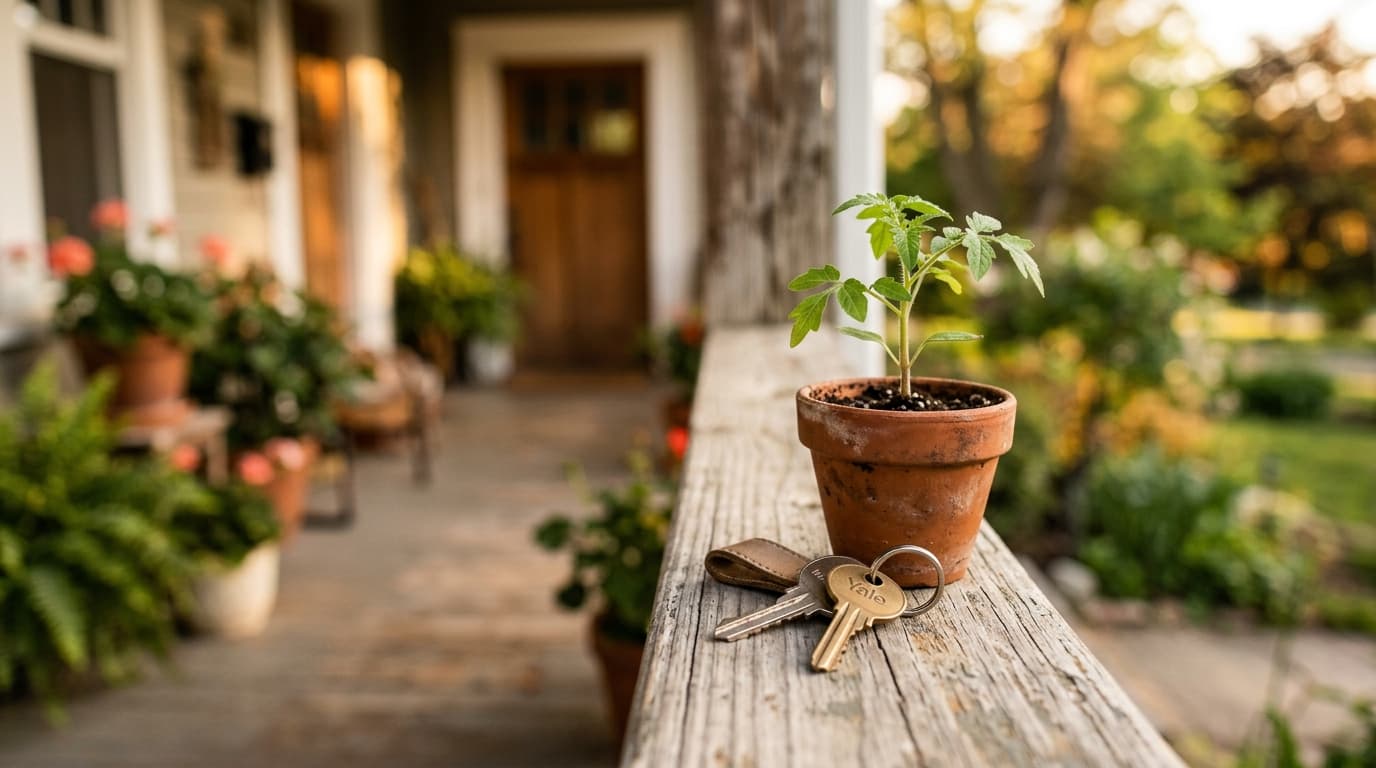
Should I Buy or Rent in 2026? The Homebuying vs. Renting Decision, Explained
Whether you should buy or rent in 2026 depends less on national sentiment and more on your own roots: how long you'll stay put, how much you've saved, and whether your monthly numbers actually work — not just what everyone else is choosing.
For the first time since 2023, more than half of Americans (53%) say they'd rather buy than rent. That's a real shift in mood. But mood doesn't pay a mortgage — your personal math does. Let's dig into both.
Why the Mood Flipped in 2026
Sentiment swings like seasons. A few years of rising rents, tightening inventory, and buyers sitting on the sidelines can quietly build pressure — until enough people decide waiting isn't saving them anything. That's roughly where we are now. More renters are tired of planting in soil they don't own, watching their rent "harvest" go entirely to a landlord with nothing left over for themselves.
But here's the catch: affordability is still the biggest barrier nationally. Feeling ready and being ready financially are two different things — and that gap is exactly where good planning matters most.
The Real Question Isn't the Market — It's Your Roots
Before asking "is 2026 a good year to buy," ask a more useful question: how long do you plan to stay in one place? Buying is a long-game investment — you're planting a seed and waiting for it to grow roots and eventually bear fruit (equity, stability, a paid-off home someday). If you might move in a year or two, renting may still be the lighter, more flexible choice.
If you're putting down roots for the next five-plus years — building a career, starting a family, settling near schools — the buy side of the ledger starts looking a lot more appealing.
Signs You Might Be Ready to Plant (Buy)
- You have a steady income and a handle on your monthly budget, with room for homeownership costs beyond the payment itself (taxes, insurance, maintenance).
- You've got savings set aside for a down payment and cushion — not just enough to close, but enough to breathe afterward.
- You plan to stay in the home long enough for it to make financial sense.
- You're curious about assistance programs — first-time buyer options, down payment support, or government-backed paths — which may help lower the barrier to entry (programs subject to qualification).
Signs Renting Still Makes Sense
- Your job or life situation could move you within a year or two.
- You're still building savings or credit and want more runway before buying.
- The homes in your target area don't yet fit your budget comfortably — better to wait and keep saving than stretch thin.
- You're not sure what neighborhood or city is truly "home" yet.
There's no shame in renting a while longer. A seed planted in good soil, at the right time, grows better than one rushed into the ground too early.
Running Your Own Numbers (Not the Nation's)
National surveys are a weather report — useful context, but not a forecast for your specific yard. Markets vary widely. A buyer in Texas may find very different affordability conditions than a buyer in California, even in the same year. Your own numbers — income, debt, savings, local home prices, and how long you plan to stay — are the only map that actually matters.
That's why "should I buy or rent" isn't a yes/no question answered by a headline. It's a personal equation, and the variables are yours.
How a Broker Helps You See the Whole Garden
This is exactly where working with a mortgage broker earns its keep. Instead of being tied to one lender's offerings, a broker shops multiple lenders on your behalf — comparing programs, terms, and options side by side (programs subject to qualification) so you can see the full garden, not just one row of plants.
Think of it like a lightbulb moment: you don't have to guess whether buying makes sense in the abstract. You get to see your actual numbers laid out clearly, compare them against renting, and decide with real information instead of a national percentage.
The Bottom Line
The national mood has shifted back toward buying — but moods aren't mortgages. Whether 2026 is your year to buy or your year to keep renting and saving depends on your timeline, your savings, and your local market. Plant when your roots are ready, not just because everyone else says it's planting season.
Ready to make a plan?
- Start your plan: planpreparehome.com/apply
- Apply now: pph.pub/apply
- Call or text: 619-777-5700
Worth reading next: Rent vs. Buy in 2026: Is It Really Better to Buy Than…, Rent vs. Buy 2026: When Is It Better to Rent? What the… and Rent vs. Buy in 2026: When Is It Actually Better to…. For the local picture, see our Florida page.