What Does a Home Inspector Look for First-Time Buyers Should Know About?
A home inspector looks first at the "bones" of the house—the roof, foundation, electrical, plumbing, and HVAC systems—because these are the priciest to fix and the most likely to hide serious problems. If you're a first-time buyer wondering what a home inspector actually digs into, think of it like checking the roots of a plant before you bring it home. A pretty bloom on top doesn't tell you much if the roots underneath are struggling.
Let's walk through what inspectors focus on, why it matters for your negotiation, and how this fits into your homebuying timeline.
The Roof and Gutters: Your First Line of Defense
Inspectors climb up (or use a ladder and binoculars) to check shingles, flashing, and gutter drainage. Water is sneaky—it finds the smallest gap and turns it into a big problem over a few seasons. A roof nearing the end of its life isn't necessarily a dealbreaker, but it's valuable information. It might become a bargaining chip, or at least a heads-up for your future budget.
Foundation and Structure: The Roots of the Home
Cracks in the foundation, uneven floors, or doors that stick can hint at settling issues. Most homes shift a little over time—that's normal, like a tree adjusting its roots. But inspectors are trained to spot the difference between minor settling and something that needs an engineer's opinion. This is especially relevant in areas with expansive soil or seismic activity, so if you're shopping in California, pay close attention to this section of your report.
Electrical Systems: Small Wires, Big Consequences
Outdated wiring, overloaded panels, or DIY electrical work by a previous owner are common findings. These aren't always visible to the untrained eye, which is exactly why this step matters so much for first-time buyers. An inspector will note anything that looks like it doesn't meet current safety standards.
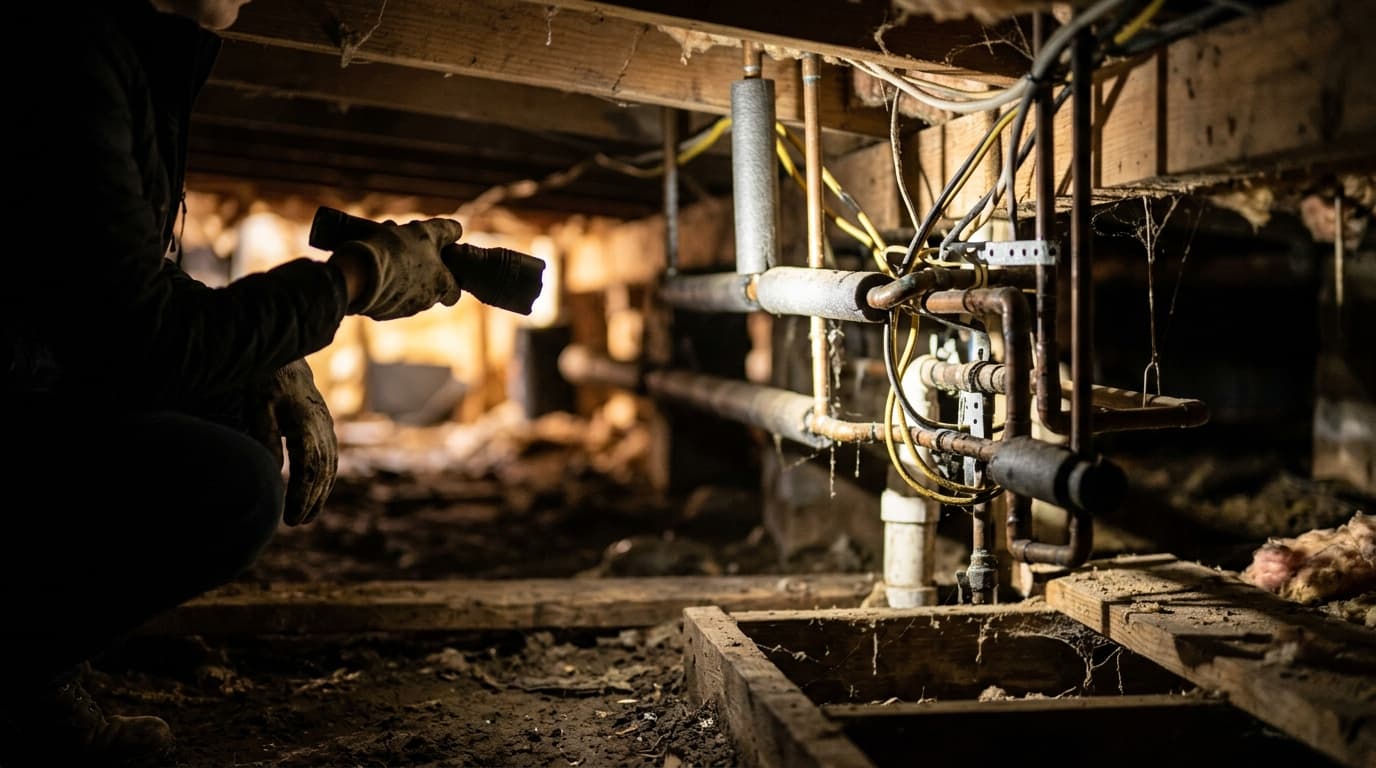
Plumbing: Where Little Drips Become Big Headaches
Inspectors run water, check for leaks under sinks, test water pressure, and look at pipe materials. Older homes sometimes have pipe types that are more prone to corrosion or blockages over time. Catching this early means you walk in with eyes open instead of discovering it during your first hot shower in the new place.
HVAC: The Home's Breathing System
Heating and cooling systems get tested for basic function and age. In hotter climates like Texas, a well-functioning HVAC system isn't a luxury—it's essential. Inspectors will note the system's approximate age and any obvious signs of neglect or needed repairs.
Pest and Moisture Signs: The Uninvited Guests
Termites, wood rot, and mold are common flags, especially in humid or older homes. These issues can range from minor and treatable to more involved, so the report will usually specify next steps or recommend a specialist for a closer look.
How This Becomes Negotiation Leverage
Here's the part that eases a lot of buyer anxiety: an inspection isn't just a pass/fail test—it's information you can use. If the report turns up issues, you generally have a few paths depending on your contract:
- Ask the seller to make repairs before closing
- Request a credit toward closing costs to handle it yourself later
- Renegotiate the price
- Walk away, if the contract allows and the issues are significant
Think of the inspection period like planting a seed and checking the soil quality before you commit to watering it for years. You want to know what you're working with.
Timeline: What to Expect
Most inspections happen within the first several days after your offer is accepted, based on the timeline in your purchase contract. The inspector typically spends a few hours walking the property, and you'll usually receive a written report within a day or two. This gives you a window—often short—to review findings and decide your next move with your agent.
Bringing In the Right Support
While a home inspector examines the physical property, your broker's job is to help you understand your financing options and shop rates across multiple lenders based on your situation. At Plan Prepare Home, we work as your broker—not your lender—matching you with programs subject to qualification that fit your specific goals, whether you're buying your first home or your fifth.
Knowing what an inspector looks for doesn't just protect your investment—it gives you confidence walking into one of the biggest decisions of your life. Like tending a garden, a little homework upfront helps everything grow smoothly later.
Ready to make a plan?
- Start your plan: planpreparehome.com/apply
- Apply now: pph.pub/apply
- Call or text: 619-777-5700
Worth reading next: How Much Does Flood Insurance Cost in Tampa Bay,…, How Much Does Homeowners Insurance Cost in Tampa Bay in… and VA Loan Zero Down Tampa Florida: What Military Buyers…. For the local picture, see our Arizona page.