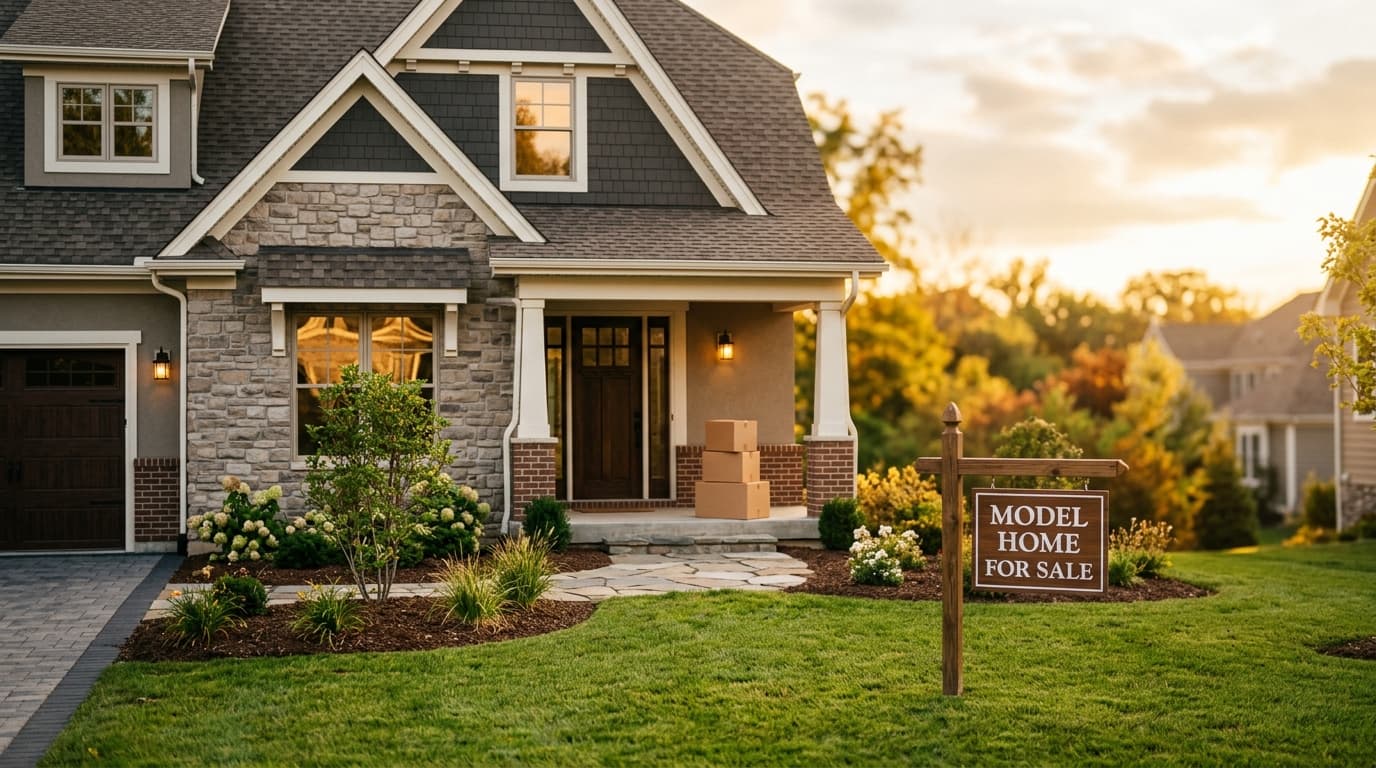
Why Are Builders Cutting Prices in 2026? When Should First-Time Buyers Purchase?
Builders are cutting prices in 2026 because they overplanted new homes during a season when buyer demand shrank, leaving them with excess inventory they need to move — and for many first-time buyers, this stretch of builder discounting is shaping up to be one of the more favorable windows to purchase in recent memory. Reports out of markets nationwide, including double-digit builder incentive activity as high as 37% off list price in some pockets, tell a clear story: the imbalance between what builders built and what buyers can currently afford has grown wide enough that builders are the ones bending first.
The Root of the Problem: An Affordability Gap, Not a Housing Glut
Think of the housing market like a garden bed. Builders plant based on forecasts — they guess how many seeds (homes) the season will need. When affordability tightens faster than expected, fewer buyers show up to "harvest" those homes, and builders are left with rows of finished inventory sitting unsold. That's the structural piece driving 2026's price cuts: it's not that homes are undesirable, it's that the gap between household budgets and new-construction pricing grew too wide, too fast.
Builders can't let homes sit indefinitely — carrying costs and shareholder pressure force action. So they do what any smart gardener does when the yield isn't selling: they discount, they bundle incentives, and sometimes they trim the price tag outright.
Price Cuts vs. Rate Buydowns: Two Different Seeds
When you're evaluating a builder's offer, it helps to know you're often choosing between two different kinds of "fruit":
- A straight price reduction lowers the actual purchase price of the home. This shrinks your loan amount and can help long-term equity position.
- A rate buydown incentive temporarily or permanently adjusts your monthly payment structure through the builder's preferred lending arrangement, without necessarily changing the sales price.
Neither is automatically better — it depends on your soil. A price cut tends to benefit buyers planning to stay long-term, since it reduces the overall size of the loan. A buydown can help buyers who need near-term monthly breathing room. This is exactly the kind of comparison a mortgage brokerage can walk through with you, since we shop your scenario across multiple lenders rather than steering you toward one builder-preferred option — helping you see which seed actually grows the healthiest tree for your situation.
Reading the Timing Signal
Builder discounting is a signal, much like watching cloud patterns before deciding when to plant. When builders are cutting prices broadly across a region, it typically means:
- Buyer leverage is rising. Builders have more room to negotiate closing cost credits, upgrades, or price flexibility.
- Inventory is more plentiful, giving buyers more homes to compare rather than competing in bidding wars.
- The window may not stay open indefinitely. Builders adjust incentives as inventory moves, so favorable terms available today aren't guaranteed to last through every season.
This doesn't mean buyers should rush blindly. It means the current environment rewards buyers who come prepared — with financing groundwork already laid — so they can act quickly once they find the right lot.
Why Builder Weakness Can Be Buyer Strength
When a builder is motivated to sell, that motivation becomes your negotiating soil. You may find room to ask for rate-buydown assistance, upgraded finishes, or reduced closing costs — options that are far less available when builders have more buyers than homes. This is especially visible in growth corridors like Texas, where new-construction supply has been substantial, and in parts of California, where builders are testing price flexibility to match local affordability realities.
Preparing the Ground Before You Buy
First-time buyers often ask "should I wait for prices to drop further, or buy now while builders are motivated?" There's no universal answer — but there is a universal first step: get your financial picture assessed early, so you understand your options clearly, including any first-time buyer programs subject to qualification that might apply to your situation. A mortgage brokerage can shop your scenario across multiple lenders to help you compare price-cut offers against buydown incentives side-by-side, rather than evaluating a builder's single offer in isolation.
The Bottom Line
Builders aren't cutting prices because homes have lost value — they're cutting prices because the garden grew faster than the market could absorb it. For prepared buyers, that imbalance can become genuine opportunity. The key isn't timing the market perfectly; it's making sure your roots — your financing, your budget, your comparison shopping — are solid before you decide where to plant.
Ready to make a plan?
- Start your plan: planpreparehome.com/apply
- Apply now: pph.pub/apply
- Call or text: 619-777-5700
Worth reading next: Seattle's Capital Gains Tax Impact on Home Buyers in…, First-Time Homebuyer in Phoenix, Arizona in 2026?… and TSMC Phoenix Arizona Housing Market Impact 2026: What…. For the local picture, see our Arizona page.