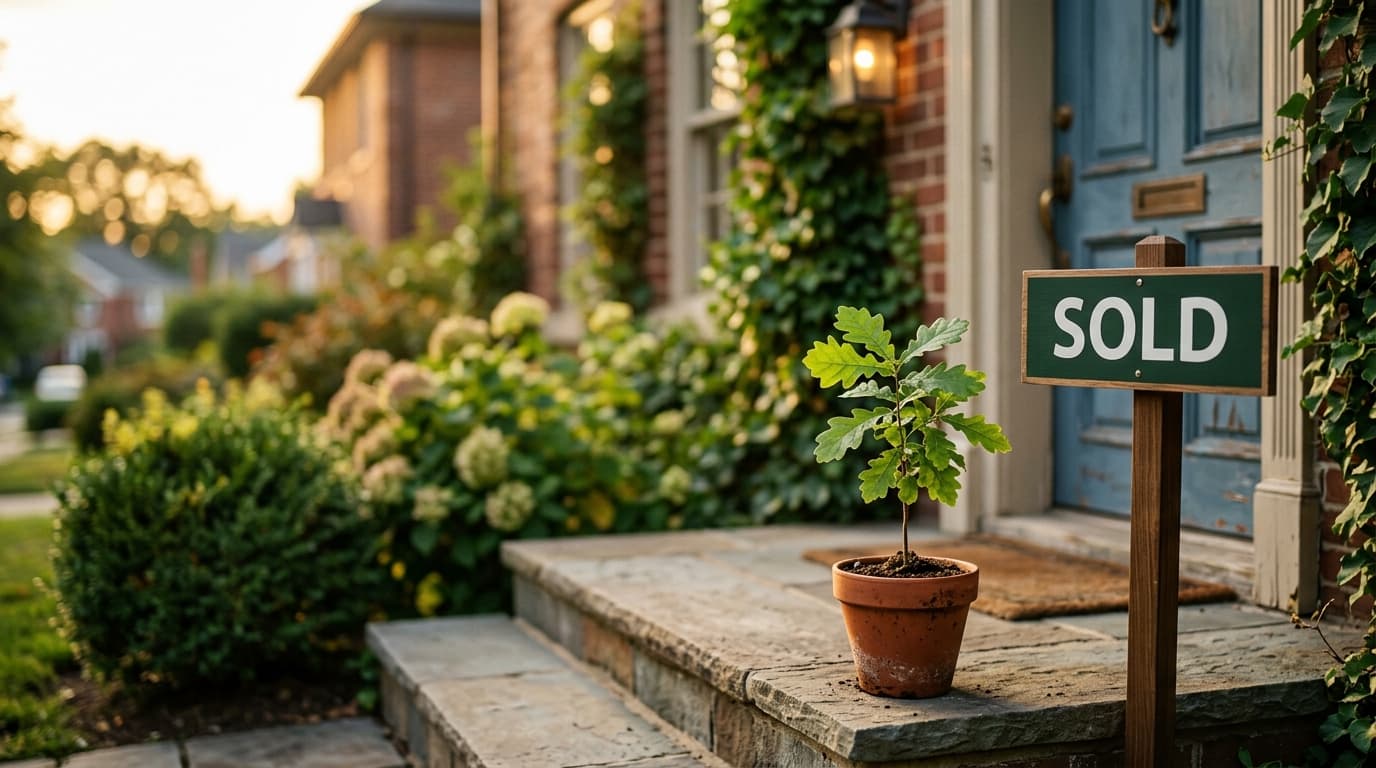
The Rent Versus Buy 2026 Housing Market Decision: Why Waiting for Rate Drops Could Cost You More Equity Than Saving
For most households weighing the rent versus buy 2026 housing market decision, buying now—even without a rate drop—often builds more long-term equity than waiting three years for rates to fall, because home price and wage growth tend to outpace the savings from a smaller monthly payment.
It feels intuitive to wait. If borrowing costs are expected to ease, why not sit tight, keep renting, and jump in once things look "better"? But the rent versus buy 2026 housing market decision isn't just about the size of a monthly payment—it's about which side of the fence your money is growing on. Renting plants no roots. Every payment feeds someone else's garden.
The Three-Year Wait: What It Really Costs
Let's walk through a simple comparison. A buyer purchases today at current market pricing and borrowing costs. A renter waits three years, hoping rates ease, while saving the difference between rent and a mortgage payment.
Here's the catch: home prices historically don't sit still while renters wait. Even modest, steady appreciation over three years can outpace what a renter manages to sock away—especially once you factor in that wages have been climbing faster than home prices in many metros lately. That wage growth is good news for future buyers, but it also means home values have room to keep drifting upward, not down, while the sidelined renter watches from outside the greenhouse.
Meanwhile, the buyer who purchased earlier has been quietly building equity through appreciation and principal paydown—two things a lease never offers. If rates do eventually ease, that buyer also has the option to refinance later, capturing the best of both worlds: an earlier planting date and a lower cost of water down the road.
Builder Incentives: Fruit Already on the Tree
One often-overlooked piece of the rent versus buy 2026 housing market decision is the current wave of builder incentives. In many growth markets—including parts of Texas and California—builders are motivated to move inventory and are offering rate buydowns, closing cost credits, or upgrade packages to attract buyers now, programs subject to qualification. These incentives are like fruit already hanging low on the branch; they may not be there once demand catches up to supply.
Waiting for a "perfect rate" can mean missing this fruit entirely, especially if incentives fade as builders sell through inventory.
Months of Supply: Reading the Map
Right now, many markets sit at a more balanced level of housing supply than we've seen in recent years. That's a meaningful signal on the housing map. More months of supply generally means more room to negotiate—on price, on concessions, on move-in timing. As supply tightens (which tends to happen as rates fall and more buyers re-enter the market), that negotiating room can shrink fast. Waiting for lower rates often means competing with a larger crowd of buyers who had the same idea, which can offset any savings from a smaller payment.
So, Is Buying Now Always Better?
Not always—this isn't a one-size-fits-all lightbulb moment. If your job situation, savings, or local market conditions aren't ready, waiting can still be the wiser seed to plant. The rent versus buy 2026 housing market decision depends on your personal roots: your timeline, your down payment, your local supply, and the kind of home that fits your life.
That's exactly why working with a broker who shops multiple lenders—rather than relying on a single loan officer's shelf of products—matters. A good broker can map out real numbers for your specific situation, compare programs subject to qualification, and help you see whether buying now or waiting truly serves your long-term equity goals.
The Bottom Line
Renting isn't wrong, and buying isn't automatically right. But the data increasingly suggests that waiting for a rate drop can cost more in missed appreciation, wage-outpaced savings, and shrinking builder incentives than most renters expect. Sometimes the bravest move in the garden is planting the seed before the weather looks perfect—because roots grow best when you give them time, not when you wait for ideal conditions that may never fully arrive.
Ready to make a plan?
- Start your plan: planpreparehome.com/apply
- Apply now: pph.pub/apply
- Call or text: 619-777-5700
Worth reading next: First-Time Homebuyer: Should I Wait for Interest Rates…, Should I Buy Now or Wait for Mortgage Rates to Drop in… and First-Time Homebuyer in Phoenix, Arizona in 2026?…. For the local picture, see our Florida page.