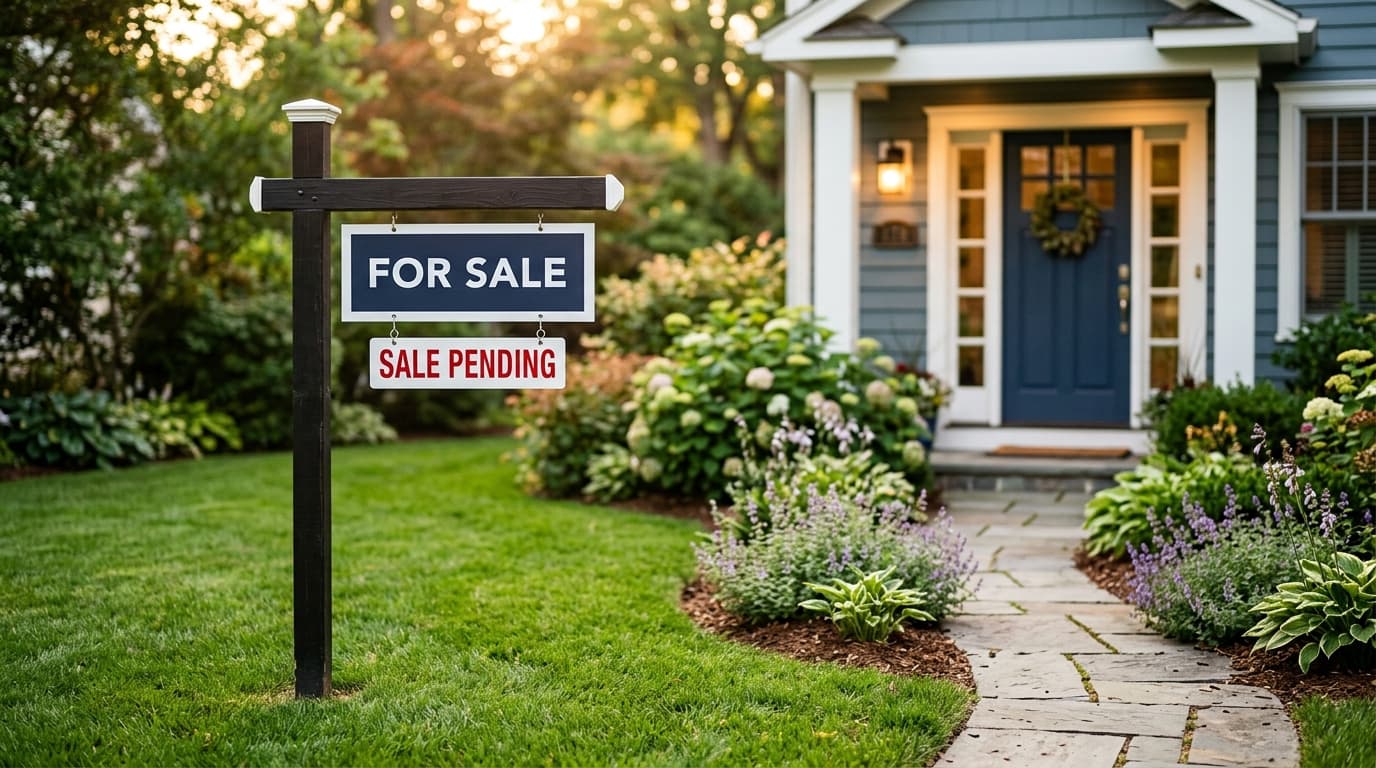
Should I Buy Now or Wait for Mortgage Rates to Drop in 2026?
In most cases, buying now and refinancing later beats waiting for rates to drop—because when rates fall, home prices tend to rise to meet the new demand, often canceling out the savings you were hoping for.
It's a tempting idea: sit tight, let the market "cool," and swoop in once borrowing costs come down. But housing markets rarely work that way. Think of it like waiting for the perfect week to plant tomatoes—if you wait for flawless weather, you might miss the whole growing season while everyone else is already harvesting.
Why Lower Rates Don't Always Mean Lower Costs
Here's the piece that often gets missed: mortgage rates and home prices tend to move like two ends of a seesaw. When borrowing costs drop, more buyers can afford to shop, demand increases, and sellers respond by raising prices. The monthly payment math often ends up similar—just with a bigger loan balance and a smaller rate.
So if you're waiting for 2026 hoping for a discount, you may be trading one cost for another. The soil doesn't change—it just gets rearranged.
The "Buy Now, Refinance Later" Approach
This is why so many buyers are choosing to plant their roots today instead of waiting on the sidelines. The strategy works like this:
- Buy at today's price, locking in the home and the equity-building clock.
- Make your payment work for your budget now, using a loan structure your broker helps you shop for.
- Refinance later if conditions shift—swapping the "rate seed" you planted today for a better one down the road, without having to compete for the home all over again.
This approach treats your rate like a seed you can replace, but treats your home price like the tree you've already grown. You don't get to renegotiate the tree once someone else has bought it.
Walking Through the Timeline
Let's say you buy a home in early 2026. You lock in your purchase price, move in, and start building equity right away—paying down principal, gaining from any market appreciation, and settling into life instead of watching listings.
If, later on, market conditions shift and refinancing becomes appealing, you simply explore that path with your broker at the time. No bidding wars, no rushing, no losing the home you already love. You're not gambling on a moving target—you're tending a garden you already planted.
Waiting, on the other hand, means:
- Continuing to pay rent with no equity growing underneath you
- Competing with other buyers who had the same idea once rates did drop
- Facing higher prices if demand outpaces supply, which is common in that scenario
- Possibly missing homes in your ideal neighborhood or school zone altogether
Why Working With a Broker Matters Here
This is where having someone who shops the map on your behalf makes a real difference. As a brokerage, Plan Prepare Home doesn't lend directly—we compare offerings across multiple lenders to help you find a structure that fits your goals now, with an eye toward refinancing flexibility later. Programs subject to qualification vary by lender and by state, which is why local knowledge matters.
For example, buyers exploring options in Texas often have different loan programs and closing cost norms than buyers in California, where price points and property taxes tell a different story. A broker who understands both landscapes can help you plant in the right spot with the right tools, instead of guessing blindly.
The Bottom Line
Waiting for a "better" rate in 2026 might feel like patience—but it often just delays the harvest while prices grow taller in the meantime. Buying now lets you lock in today's ground conditions while leaving the door open to improve your loan structure later, when and if it makes sense.
You don't have to choose between smart timing and moving forward. Sometimes the smartest move is simply getting your roots in the ground and letting your broker help you tend the details as the seasons change.
Ready to make a plan?
- Start your plan: planpreparehome.com/apply
- Apply now: pph.pub/apply
- Call or text: 619-777-5700
Worth reading next: Why Are Homebuyers Waiting for Lower Rates in 2026? The…, First-Time Homebuyer: Should I Wait for Interest Rates… and Should I Wait to Buy a Home? What 2026 Mortgage Rates…. For the local picture, see our Florida page.