Why Are Homebuyers Waiting for Lower Rates in 2026? The Affordability Crisis Explained
Many homebuyers are waiting for lower rates in 2026 because they believe borrowing costs are the only obstacle to affordability—but rising material and labor costs are quietly raising home prices at the same time, which means waiting doesn't guarantee a cheaper purchase. This is the heart of the affordability puzzle right now, and it's worth understanding before you decide to sit tight or step forward.
Two Roots, One Tree
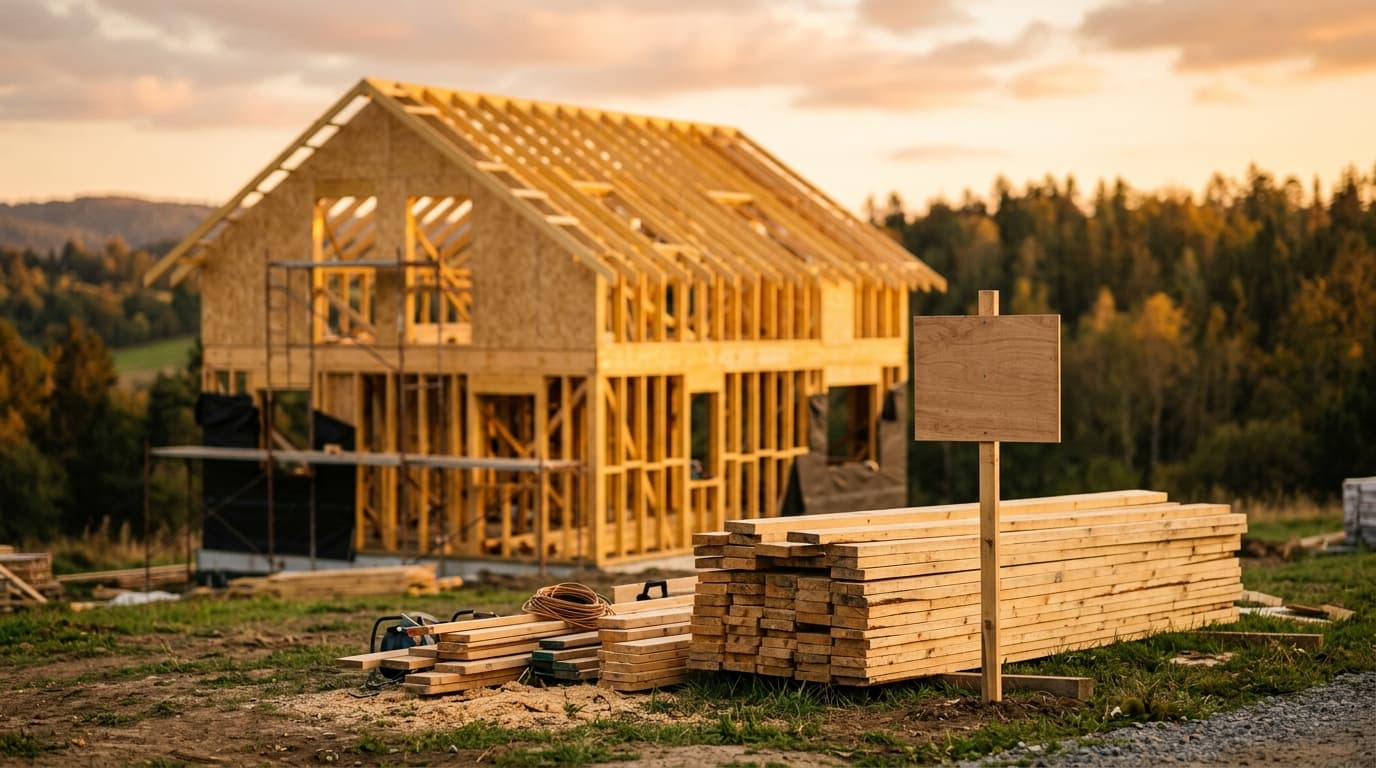
Think of home affordability as a tree with two root systems feeding it. One root is financing cost—the terms attached to your loan. The other root is construction cost—lumber, concrete, skilled labor, land development fees. When builder sentiment softens, as it did recently on a national level, it's rarely about financing alone. Builders are often responding to squeezed profit margins caused by input costs rising faster than what buyers can comfortably absorb.
If you're only watching one root, you're missing half the tree. A buyer who waits for financing conditions to loosen may find that construction costs have grown just as much, or more, in the meantime. The fruit doesn't necessarily get sweeter—it just shifts which branch it's hanging from.
Why "Waiting for the Perfect Season" Can Backfire
Gardeners know you can't control the weather, but you can prepare the soil. Homebuyers face something similar: you can't control financing markets or lumber futures, but you can control your own readiness.
Buyers waiting for a specific moment often assume the entire market will pause and wait with them. In reality, inventory, builder incentives, and local demand shift constantly and unevenly across states. A market cooling in one region—say, parts of Texas—may behave completely differently than a tighter, high-demand pocket in California. National headlines rarely capture these local microclimates.
The Compounding Effect Buyers Often Miss
Here's the part that trips people up: financing costs and construction costs don't move independently—they often compound. When builders pull back due to margin pressure, new construction slows, which can tighten supply. Tighter supply, even amid softer demand, can keep home prices firmer than buyers expect. Meanwhile, any future easing in financing terms could invite more buyers back into the market simultaneously, adding fresh competition just as supply is thin.
In other words, the "wait for better conditions" strategy assumes conditions improve in isolation. Housing markets rarely work that way. It's less like waiting for a single storm to pass and more like waiting for calm seas while the tide is still moving.
Tending Your Own Garden Instead
Because national and even regional forecasts are unpredictable, the more productive move is often shifting your energy from prediction to preparation. A few areas worth tending now:
- Down payment strategy: Explore whether a larger down payment, gift funds, or down-payment assistance programs (subject to qualification) might strengthen your position regardless of where financing terms land.
- Timeline flexibility: Understand your own must-move-by date. If you have flexibility, that's valuable—but if you don't, waiting indefinitely carries its own cost.
- Local knowledge: Conditions in California and Texas can differ meaningfully from national builder sentiment reports. Local guidance matters more than national headlines.
How a Broker Helps You See the Whole Root System
This is exactly where working with a mortgage brokerage earns its keep. Rather than offering one lender's single view of the market, Plan Prepare Home shops multiple lenders and loan programs (subject to qualification) on your behalf, comparing structures that might fit your specific timeline and down-payment plan. Instead of trying to time a market with two moving root systems, you get a clearer map of what's realistically available to you right now, in your state, based on your numbers.
Planting With Eyes Open, Not Waiting in the Dark
There's nothing wrong with being cautious. But caution should come from clarity, not just headlines about builder sentiment or financing forecasts. If affordability is genuinely a two-root problem—financing and construction costs moving together—then the smartest seed you can plant today isn't a prediction. It's preparation: understanding your budget, your timeline, and the local terrain well enough that whenever you do decide to buy, you're not guessing. You're simply harvesting when the fruit is ready, not chasing a season that may never arrive exactly as expected.
Ready to make a plan?
- Start your plan: planpreparehome.com/apply
- Apply now: pph.pub/apply
- Call or text: 619-777-5700
Worth reading next: How Much Does Homeowners Insurance Cost in Tampa Bay in…, Should I Buy Now or Wait for Mortgage Rates to Drop in… and Phoenix Arizona Home Affordability 2026: Does Buying…. For the local picture, see our Florida page.