Tampa Florida Flood Zone Homeowners Insurance Cost by Neighborhood: Why It Swings So Wildly
Tampa flood zone homeowners insurance costs vary dramatically by neighborhood because flood maps, elevation, and windstorm exposure change block by block — a home in Davis Islands can cost far more to insure than one a few miles inland in Seminole Heights, even at similar price points. If you're house-hunting in the Tampa Bay area, understanding why these numbers swing so much is the difference between a smooth close and a deal that dies in underwriting.
Flood Insurance and Windstorm Insurance Are Different Roots, Same Tree
Buyers often assume "homeowners insurance" covers everything. In Florida, it rarely does. Flood coverage protects against rising water — think storm surge or an overflowing creek. Windstorm coverage protects against hurricane-force wind and hail damage. Many Tampa-area homes need both, purchased separately, and each has its own pricing logic based on elevation, construction age, and distance to water.
Think of your home's protection like a garden bed: flood coverage is the drainage system, windstorm coverage is the fence keeping wind damage out. Skip one, and the whole bed is exposed no matter how healthy the other looks.
Why Pinellas and Hillsborough Counties Don't Match
Even neighboring counties tell different stories. Pinellas County, being a peninsula surrounded by water on nearly every side, tends to carry more flood-zone designations and higher windstorm exposure overall. Hillsborough County has plenty of flood-prone pockets too — especially near the Hillsborough River and Tampa Bay shoreline — but more inland tracts sit in lower-risk zones with correspondingly gentler premiums.
This is why a "Tampa flood zone insurance estimate" pulled from a generic online calculator is nearly useless. The real number depends on the specific parcel, its flood zone letter (X, AE, VE, and so on), and the base flood elevation of the structure itself. Two homes ten minutes apart can land in entirely different soil.
Ask Sellers for Insurance History Before You Ever Write an Offer
Here's a step many buyers skip: ask the seller for their current insurance history — the actual policy declarations pages, claims history, and premium amounts for the past few years. This isn't snooping; it's due diligence. A seller's insurance paper trail tells you:
- Whether the home has flooded or filed wind claims before
- What the current owner is paying, which is often the most realistic preview of your own costs
- Whether coverage was recently canceled or non-renewed (a red flag worth chasing down)
If a listing agent balks at sharing this, treat it as useful information in itself.
Request Mitigation and Elevation Quotes Before You Offer, Not After
Once you've found a home that fits, don't wait until after your offer is accepted to learn what it costs to insure. Ask for:
- An elevation certificate, if the home sits in a flood zone
- A wind mitigation inspection report (covers roof shape, tie-downs, window protection, and more)
- A preliminary quote from an insurance agent based on those documents
These reports often reveal simple, affordable fixes — storm shutters, roof strapping, sump pump upgrades — that can meaningfully lower your ongoing costs. Getting this information before you're under contract gives you real negotiating leverage and protects your budget from surprises during underwriting.
How This Connects to Your Financing
Insurance costs aren't just a homeowner concern — they directly affect what a lender is willing to finance, since insurance premiums typically get folded into your monthly payment via escrow. High insurance costs can shift your qualifying numbers, sometimes enough to change which loan programs make sense for your situation (programs subject to qualification).
This is where working with a mortgage brokerage instead of a single lender pays off. As a brokerage, Plan Prepare Home shops your scenario across multiple lenders, comparing how each one treats flood-zone properties, escrow requirements, and insurance-driven debt ratios — so you're not stuck with one institution's rulebook in a state where insurance realities shift from zip code to zip code.
Plant Your Roots With Eyes Open
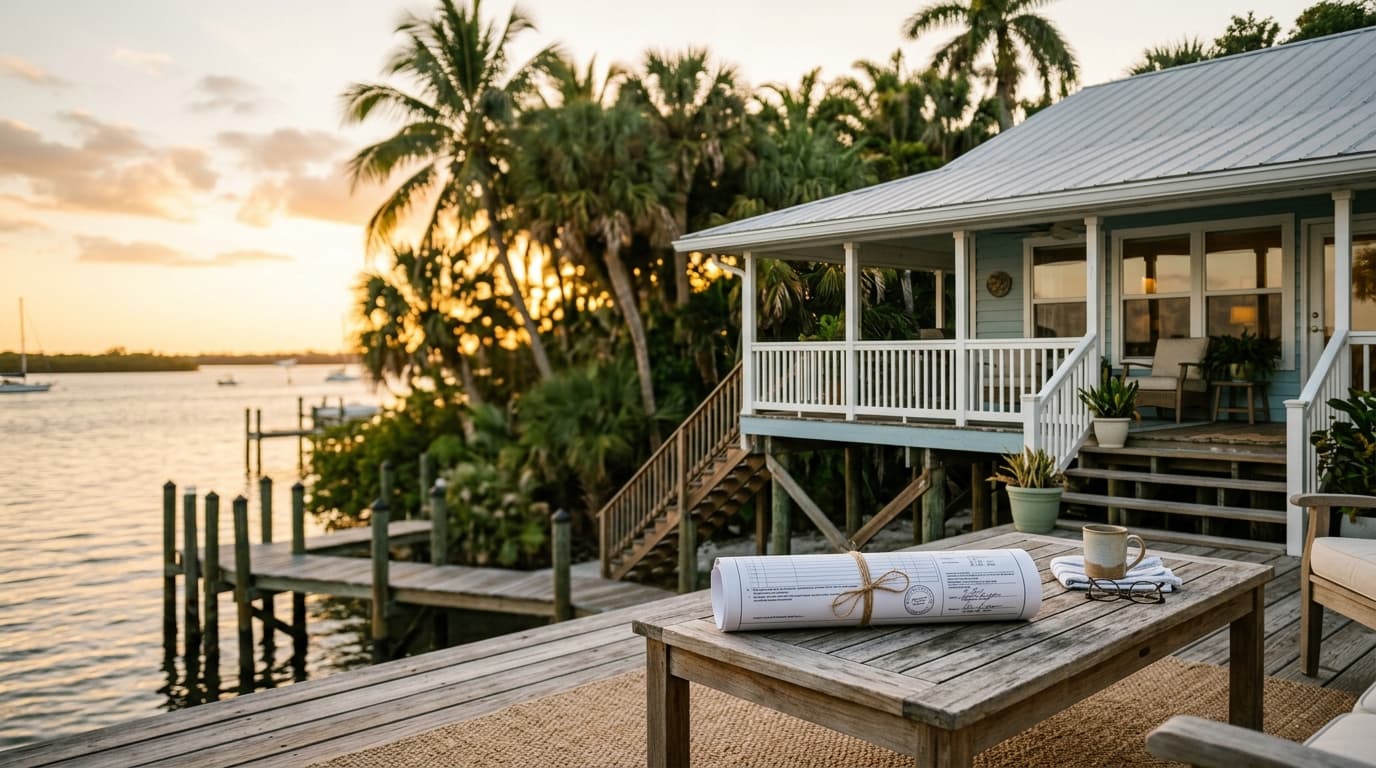
Tampa is full of beautiful, water-adjacent living — but water-adjacent living comes with paperwork. Before you fall for a listing photo of a dock and a sunset, do the homework: separate your flood and windstorm coverage questions, compare Pinellas versus Hillsborough exposure, request seller insurance history, and get mitigation quotes early.
Curious how flood-zone insurance costs might shape your financing options across the state? Visit our Florida page to see how Plan Prepare Home helps buyers map out these variables before they ever make an offer.
Ready to make a plan?
- Start your plan: planpreparehome.com/apply
- Apply now: pph.pub/apply
- Call or text: 619-777-5700
Worth reading next: How Much Does Flood Insurance Cost in Tampa Bay,…, How Much Does Homeowners Insurance Cost in Tampa Bay in… and Tampa Florida 4-Point Inspection, Wind Mitigation &…. For the local picture, see our Florida page.