Home Inspection Thermal Imaging in 2026: What to Expect and a Checklist Before You Buy
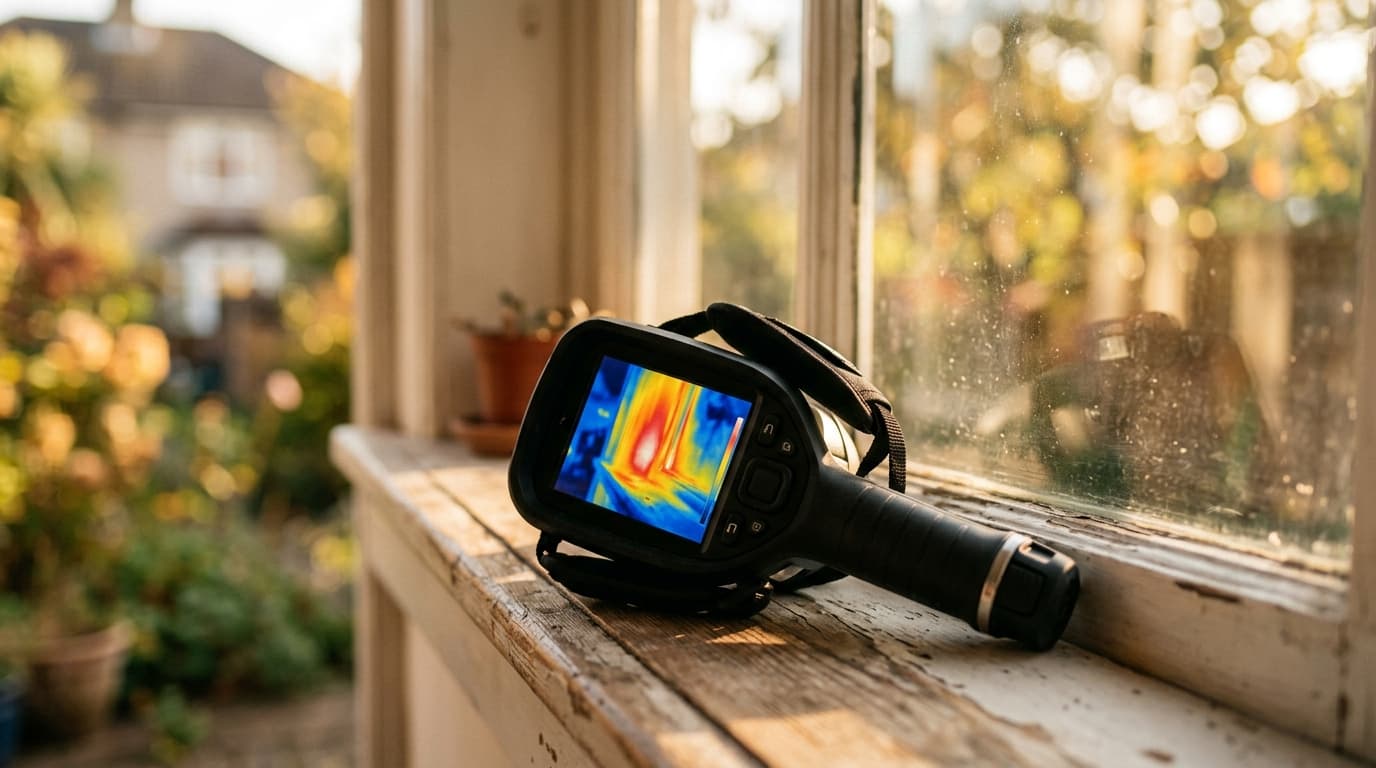
In 2026, most home inspections include thermal imaging as a standard tool, letting inspectors spot missing insulation, air leaks, moisture intrusion, and electrical hotspots that a flashlight and a checklist alone would miss. Think of it like finally getting a soil test before you plant a garden—you can guess what's under the surface, or you can actually see it.
Why Thermal Imaging Became the Norm
A house is a living system, much like a garden bed. Water moves where it wants, air escapes through the smallest cracks, and roots (or in this case, wiring and pipes) hide behind walls where the eye can't follow. Traditional inspections relied on visual cues and moisture meters pressed against drywall. Helpful, but limited.
Thermal cameras changed that. By reading surface temperature differences, they reveal:
- Insulation gaps — cold or hot patches in walls and attics where insulation has settled, shifted, or was never installed correctly
- Air leakage — drafts sneaking in around windows, doors, and recessed lighting
- Moisture intrusion — damp spots behind walls or under roofing that haven't bloomed into visible stains yet
- Electrical hotspots — overloaded outlets or panels running warmer than they should
None of this requires tearing into drywall. It's a light shined into the shadows—no demolition necessary.
What a Modern Inspection Report Looks Like
Buyers used to get a stack of paper with checkboxes and a few grainy photos. Today, expect something closer to a video walkthrough: annotated thermal images, short clips explaining what the inspector found, and plain-language notes on what's a quick fix versus what needs a specialist.
This matters for your negotiating position. A report that clearly shows "cold spot consistent with missing insulation" is a stronger seed to plant in repair negotiations than a vague note that says "attic access limited."
The Specialty Inspections Buyers Often Forget
Thermal imaging covers a lot of ground, but it's not the whole map. Depending on the home's age and location, you may need to budget for additional inspections:
- Sewer scope — a camera sent down the main line to check for roots, cracks, or bellies in older pipes. Common in homes built before the 1980s, and a frequent surprise for buyers who assumed the standard inspection covered it.
- WDO (Wood-Destroying Organism) inspection — termites, wood-boring beetles, and fungal decay. Required by many lenders in humid climates, and worth doing even when it's not required.
- Radon testing — especially relevant in certain regions and often overlooked until closing week.
- Roof certification — some insurers want a separate roof-specific report, particularly in hail- or wind-prone areas.
Skipping these isn't like skipping a step in a recipe—it's more like planting without checking if the soil is contaminated. You might not see the problem until it's already grown.
A Simple Pre-Closing Checklist
Before you remove your inspection contingency, walk through this:
- Did the report include thermal imaging, and were any anomalies explained in plain language?
- Is there a sewer scope on file, or should one be ordered?
- Has a WDO inspection been completed, especially if the home has a crawlspace or is in a warmer climate?
- Are there any "hotspot" flags on the electrical panel or outlets that need a licensed electrician's second opinion?
- Does the roof need its own certification for insurance purposes?
Regional Notes Worth Knowing
Inspection priorities shift depending on where you're planting roots. In humid, termite-prone markets, a WDO inspection is close to essential. If you're buying in Texas, foundation movement and drainage patterns often get extra attention alongside thermal scans. In California, older housing stock means insulation gaps and outdated wiring show up more often on thermal reports, and seismic retrofitting questions sometimes come up too.
How This Connects to Your Financing
An inspection isn't just about peace of mind—it can shape your financing conversation. Some loan programs have property condition requirements, and repair negotiations can affect your final terms. As a brokerage, Plan Prepare Home doesn't lend directly; instead, we shop multiple lenders on your behalf to find programs that fit your situation, once your inspection results are in hand. Programs subject to qualification, and every buyer's path looks a little different depending on the home, the market, and what the thermal camera reveals.
A good inspection in 2026 isn't about fear—it's about clarity. The more you can see before you buy, the more confidently you can grow into the home afterward.
Ready to make a plan?
- Start your plan: planpreparehome.com/apply
- Apply now: pph.pub/apply
- Call or text: 619-777-5700
Worth reading next: Homeowners Insurance Costs in Bend, Oregon 2026: Why…, Houston Flood Insurance Requirements 2026: What FEMA's… and Colorado Hail Insurance Cost for Homebuyers 2026: What…. For the local picture, see our Florida page.